Oruro, Colonial mining city in western Altiplano, Bolivia
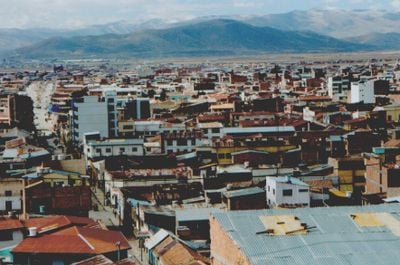
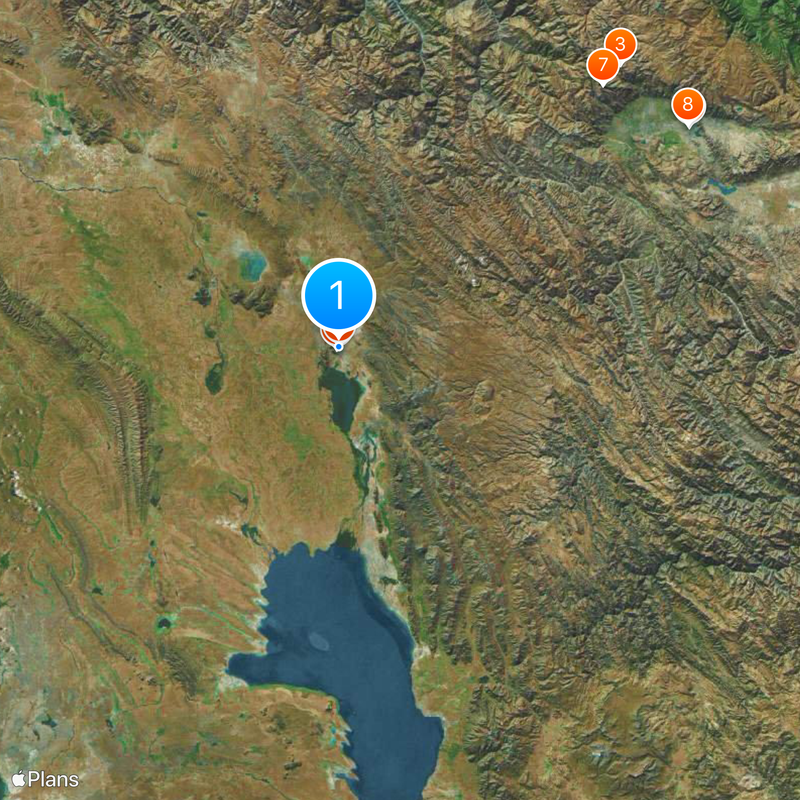
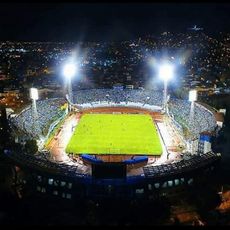
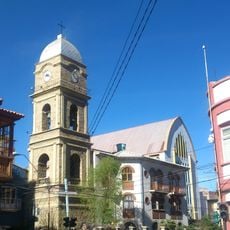
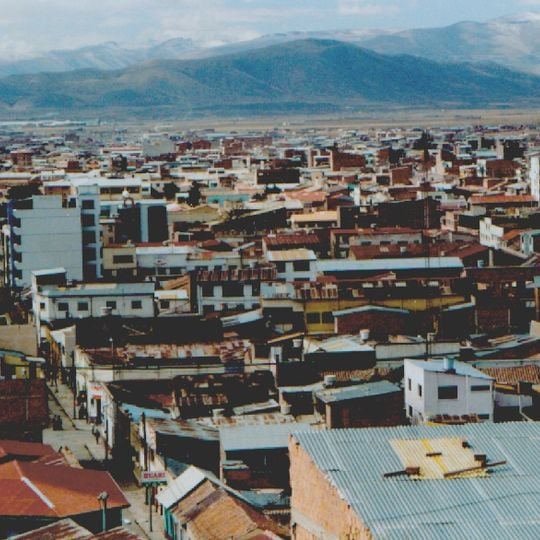
This place is a city in western Bolivia, sitting at 3,700 meters (12,139 feet) above sea level on the Altiplano, surrounded by mountains where tin and silver have been mined for centuries. The streets downtown run in a grid around Plaza 10 de Febrero, lined with colonial churches and two-story buildings with wrought-iron balconies.
The settlement was founded in 1606 as Real Villa de San Felipe de Austria and grew into an economic powerhouse through silver mining. The decline of silver in the 19th century led to the discovery of large tin deposits, which brought renewed wealth during the 20th century.
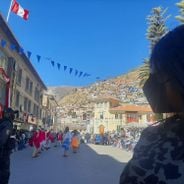
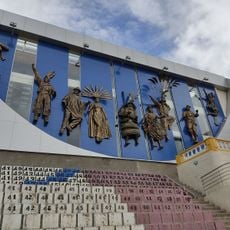
Carnival transforms the streets into a vast stage each February, with thousands of dancers wearing velvet and sequined costumes that weigh up to 20 kilograms. The Santuario del Socavón church draws pilgrims who pray to the Virgin of the Mineshaft, while market women sell fresh quinoa and potatoes grown in the surrounding valleys.
The altitude can cause shortness of breath and fatigue in visitors, so walking slowly and drinking plenty of water helps. The place serves as a transport hub with bus connections to La Paz about three hours away and to Uyuni for trips to the salt flats.
The San José mine in the nearby hills can be visited, where workers still extract tin using the same tools and methods employed for generations. The Museo Antropológico Eduardo López Rivas displays skulls with deliberate deformations, a practice common among pre-Columbian societies in the region.
The community of curious travelers
AroundUs brings together thousands of curated places, local tips, and hidden gems, enriched daily by 91,372 contributors worldwide.