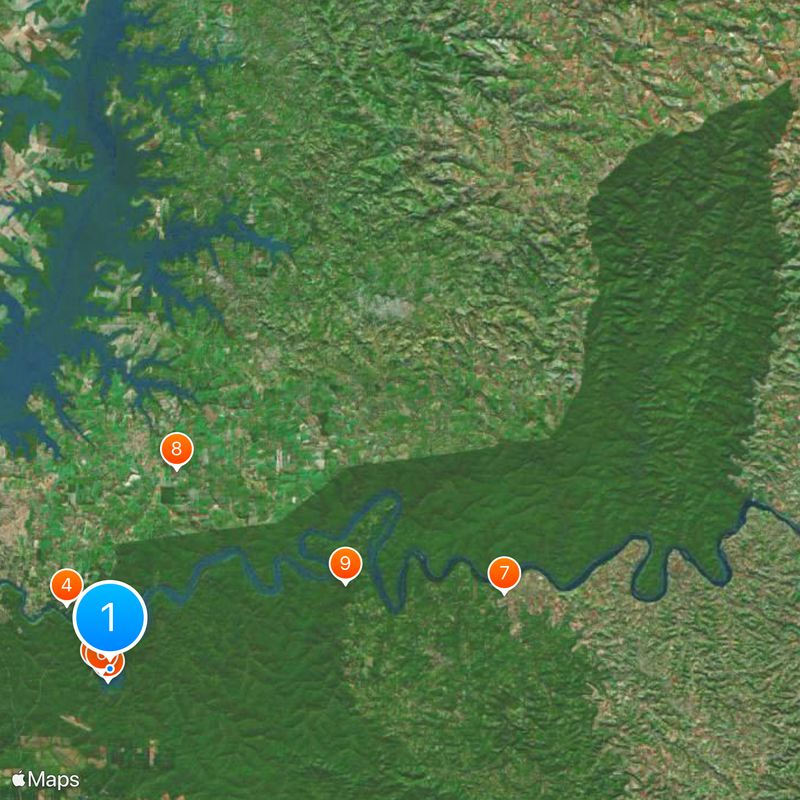
Iguaçu National Park, National park in southern Brazil.
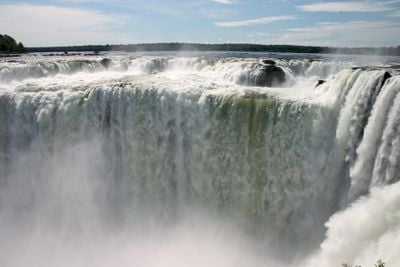
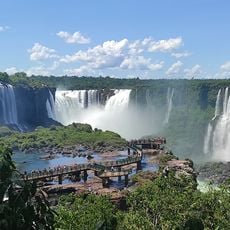
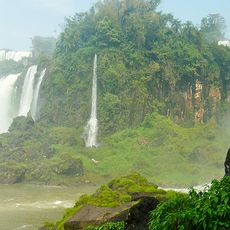
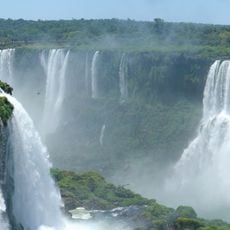
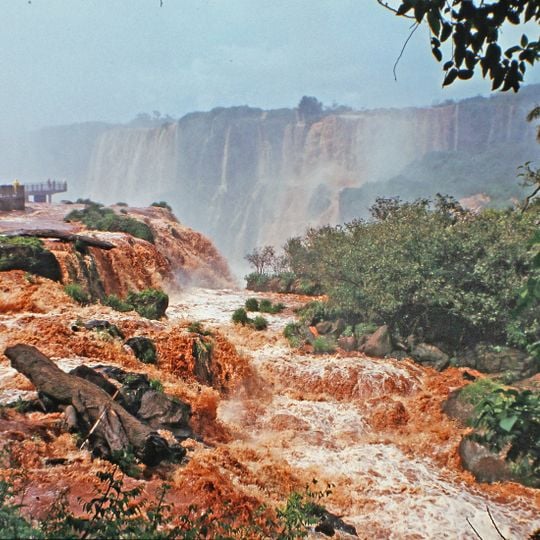
Iguaçu National Park contains more than 270 waterfalls cascading along the Iguaçu River across several kilometers, with the water creating the natural boundary between Brazil and Argentina. The park features wooden walkways and viewing platforms positioned at different heights to experience the falls from multiple angles.
The park was established as a protected area in 1939 to safeguard one of South America's largest tropical forest reserves. Over the decades, it has grown into one of the world's most visited natural sites while continuing to protect the region's ecological wealth.
The waterfalls held sacred meaning for the Tupi-Guarani peoples, who saw them as a spiritual center tied to their way of life. This connection between the land and indigenous traditions remains visible in how the place draws people seeking a deeper encounter with nature.
Visit early in the morning when light is best and crowds are smaller, making photography and viewing more enjoyable. The wooden pathways are well-maintained, but expect wet conditions and slippery surfaces, especially near the larger cascades.
The forest surrounding the falls provides habitat for jaguars and other wildlife that remain hidden in the dense vegetation, making spotting them a patient observer's reward. Many visitors don't realize how difficult it is to see these animals despite their presence throughout the park.
The community of curious travelers
AroundUs brings together thousands of curated places, local tips, and hidden gems, enriched daily by 60,000 contributors worldwide.