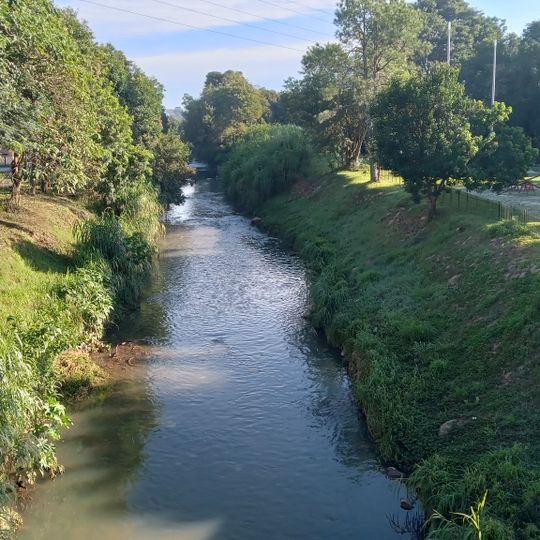
Parque Histórico de Curitiba, Historical park in Curitiba, Brazil.
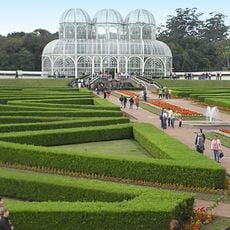
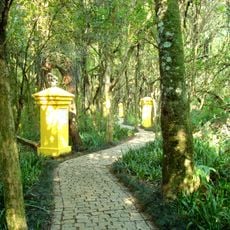
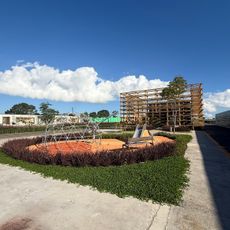
Parque Histórico de Curitiba is a green space with walking paths, gardens, and recreational areas set within the urban landscape. The grounds feature different zones to explore and include maintained vegetation throughout.
The site marks where Portuguese prospectors settled on the left bank of the Atuba River around 1649, during an expedition led by Ébano Pereira in search of gold beyond the Serra do Mar. The land was donated to the city in 1967 by Max Sesselmeier Aichner and Irene Trentin Aichner, and by Anacleto Busato and Terezinha Próspero Busato. Mayor Jaime Lerner signed the decree creating the Parque Histórico de Curitiba on 23 March 1972.
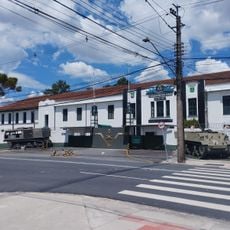
The name Vilinha refers to the small gold-mining settlements the Portuguese set up along the Atuba; the park keeps that memory beside the river. The Centro Cultural Vilinha, with a white-and-blue facade built in 2007, has rooms used for exhibitions and craft fairs and a stage for artistic performances.
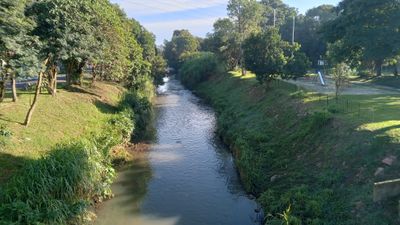
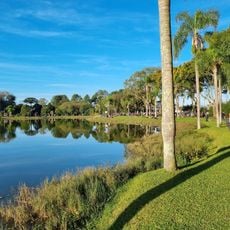
The 15,600 m² grounds hold two lakes, a walking track, sports courts, an outdoor gym for older users and a playground, with restrooms in the Centro Cultural Vilinha. The park lies on the banks of the Atuba River; the cultural centre was handed over in 2011 after years of neglect.
The park's name, Vilinha ("little village"), recalls the small gold-mining settlements Portuguese prospectors set up along the Atuba River; when alluvial gold ran out, most of these hamlets vanished. The land was donated to the city in 1967 by Max Sesselmeier Aichner and Irene Trentin Aichner together with Anacleto Busato and Terezinha Próspero Busato.
The community of curious travelers
AroundUs brings together thousands of curated places, local tips, and hidden gems, enriched daily by 94,721 contributors worldwide.