Superagüi National Park, Protected coastal area in Paraná, Brazil
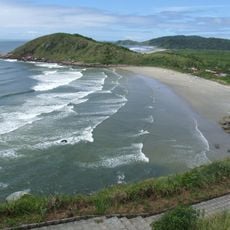
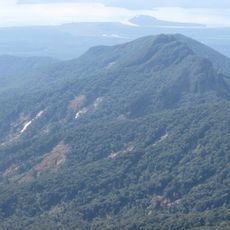
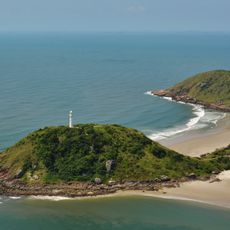
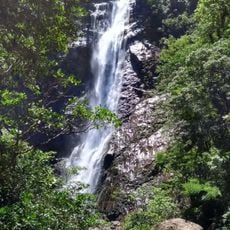
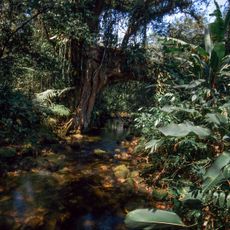
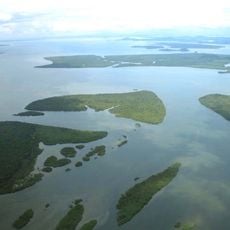
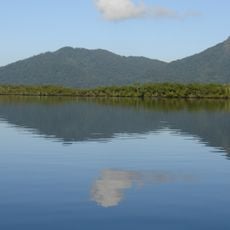
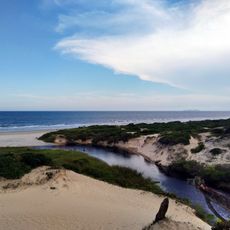
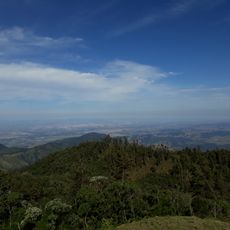
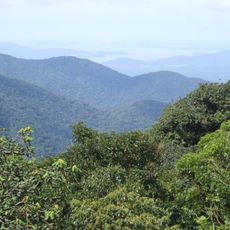
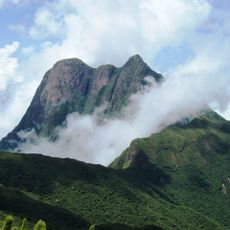
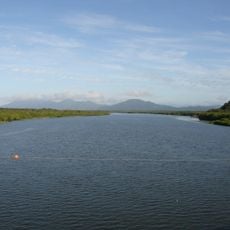
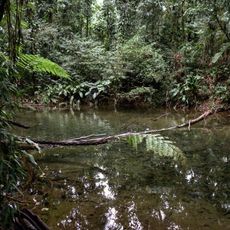
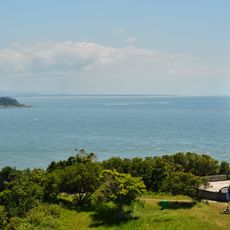
Superagui National Park is a protected area covering roughly 34,000 hectares that includes bays, coastal plains, sandbars, river mouths, and mangrove areas. The region hosts different Atlantic Forest formations along the Brazilian coast.
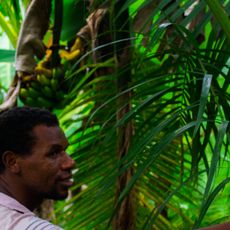
The area was already inhabited by Carijós and Tupiniquins before the Portuguese arrived from 1500 on, though they built no cities. In 1852 Perret Gentil, Swiss consul in Rio de Janeiro, founded one of the first European colonies in Paraná on Superagüi Island with 15 families. The colony did not grow; today's few villages are home to fishermen descended from those families.
The villages inside the park are home to fishermen descended from the 15 families brought to Superagui Island in 1852 by Perret Gentil, the Swiss consul in Rio de Janeiro. Barra do Superagui, the only village outside the park limits, has eight guesthouses, four restaurants and a campsite. Electricity reached the area only at the end of 1998.
The park has no organized tourist infrastructure and no management plan; the village of Barra do Superagui, outside the park limits, has eight guesthouses, four restaurants and a campsite. There is no regular boat service, so reaching the park requires chartering a private boat. Electricity arrived in the village only at the end of 1998.
The Superagui lion tamarin (Leontopithecus caissara), a critically endangered monkey, is the park's primary habitat specialty and was only formally described by science in 1990. The park also shelters the red-tailed Amazon parrot (Amazona brasiliensis) and the yellow-throated caiman (Caiman latirostris).
The community of curious travelers
AroundUs brings together thousands of curated places, local tips, and hidden gems, enriched daily by 92,782 contributors worldwide.