Borborema, city in the state of São Paulo in Brazil
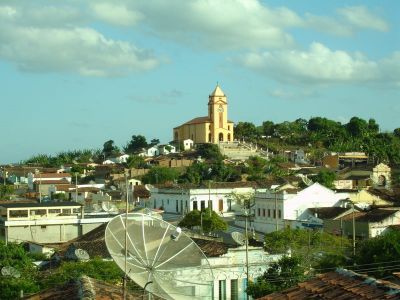
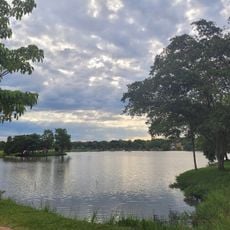
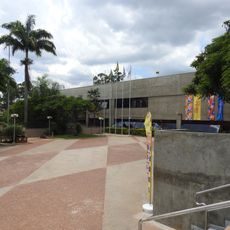
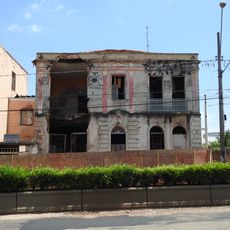
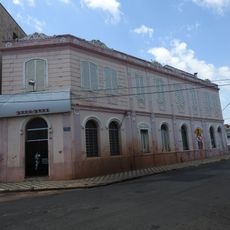
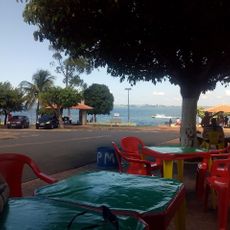
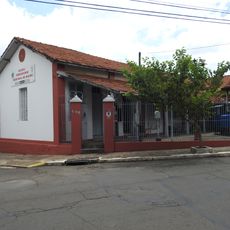
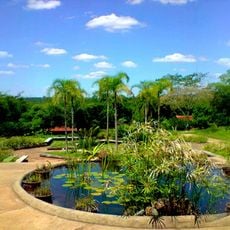
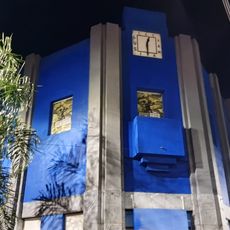
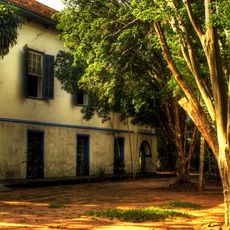
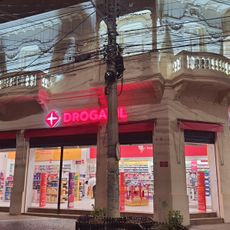
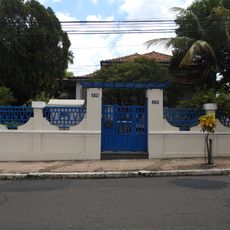
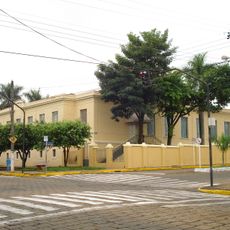
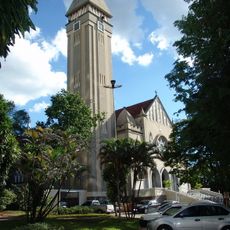
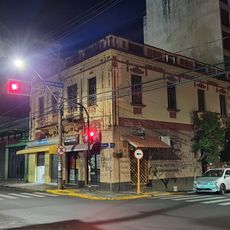
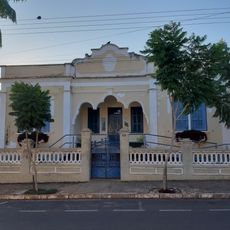
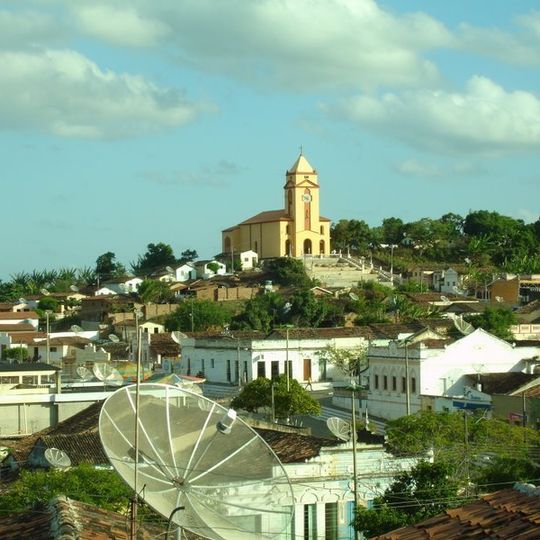
Borborema is a small municipality in the state of São Paulo, Brazil, characterized by simple architecture and open landscapes. The town sits at about 429 meters above sea level and is crossed by rivers that shape the rural setting.
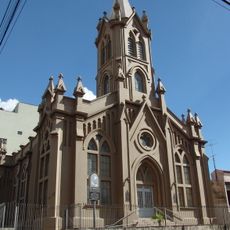
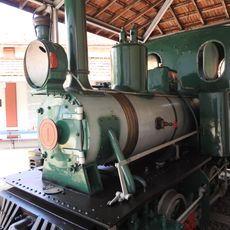
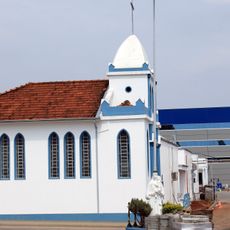
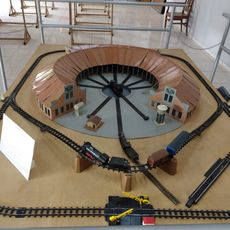
The town was founded in the early 1900s when Major José Claudino do Nascimento donated land and built a chapel. It gained official municipality status in 1925 and experienced economic growth through agriculture and the arrival of a railroad line in 1938, which eased connection to larger cities.
The town reflects rural traditions where community gatherings, religious celebrations, and family ties form the core of social life. Local crafts such as embroidery and traditional farming methods are practices that residents maintain and pass down through generations.
The place is best explored on foot or by bicycle since streets are narrow and built for local traffic. Visitors should know the town is quiet and offers a traditional way of life, with the best time to explore being during local festivals and community events.
The town's original name was Ribeirão dos Fugidos, named after a group of formerly enslaved people who found shelter near the river. It was later renamed Borborema, a word from the indigenous Tupi language that preserves meaningful roots of the region's past.
The community of curious travelers
AroundUs brings together thousands of curated places, local tips, and hidden gems, enriched daily by 92,722 contributors worldwide.