Carmo Park, Municipal park in Itaquera district, São Paulo, Brazil
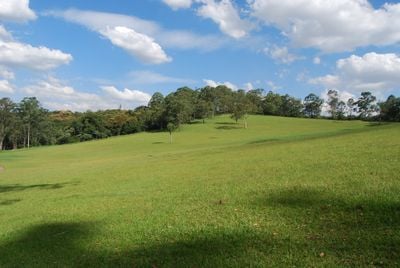
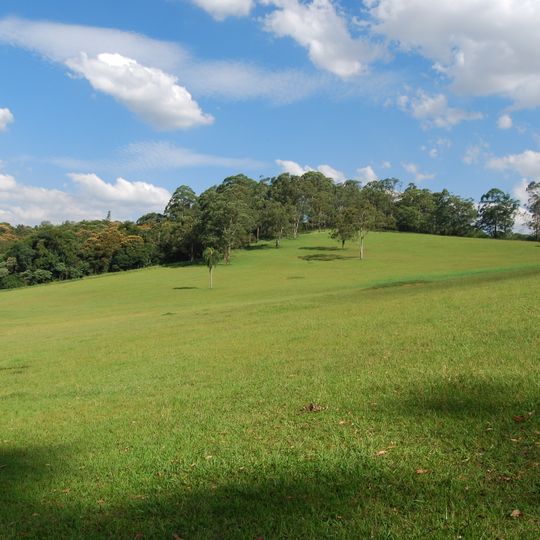
Carmo Park is a large recreational area in the Itaquera district featuring expansive green spaces, walking trails, sports facilities, and play areas. The landscape is characterized by native Atlantic Rainforest vegetation, which gives the park a natural appearance throughout its grounds.
The land was the Fazenda Caaguaçu, founded by the Carmelite Order in 1722, later sold in 1919 to Colonel Bento Pires, who planted coffee and from the 1920s promoted Japanese colonisation. In the 1940s Oscar Americano de Caldas Filho bought part of it, built a dam and artificial lake, and used the estate as a weekend retreat. After his death in 1974 his heirs sold the land, part to the city government and the larger part to COHAB, and the municipal park was created.
The park holds the Festa das Cerejeiras among its roughly 6,000 cherry trees, the second largest cherry grove in the world. The trees trace back to Japanese colonisation of the old Fazenda do Carmo in the 1920s, encouraged by Colonel Bento Pires to bring specialised farm labour. The festival keeps that Japanese-Brazilian presence visible in the district.
The park is large, so take time to explore from the entrance through different zones to find the activity areas that interest you. There are plenty of spaces and seating throughout, making it easy to spend several hours there with barbecue spots and picnic areas spread across the grounds.
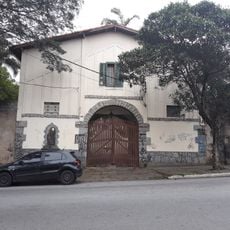
The park holds the world's second-largest cherry tree grove, about 6,000 trees, and hosts the Festa das Cerejeiras. The land was once Fazenda Caaguaçu, run by Carmelite friars from 1722, and later a coffee estate. A fig tree planted beside the old farmhouse still stands near the CEA Carmo building.
The community of curious travelers
AroundUs brings together thousands of curated places, local tips, and hidden gems, enriched daily by 94,308 contributors worldwide.