Museum of the City of Rio de Janeiro, Municipal history museum in Rio de Janeiro, Brazil.
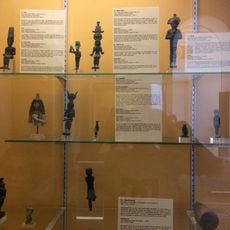
The Museum of the City of Rio de Janeiro holds photographs, maps, documents, and objects that document how the city grew and developed. Inside, visitors can trace the physical changes to neighborhoods, streets, and public spaces over several centuries.
The museum was created by decree on 11 July 1934 under mayor Pedro Ernesto, after a 1891 request by municipal intendant Alfredo Piragibe to gather the city council's pieces. It moved to the Solar de Santa Marinha in Parque da Cidade, then to Copacabana in 1942, and returned to the park, reopening fully in 1970 under the state government.
The museum shows how different neighborhoods in Rio grew and changed over time. The displayed photographs and objects reveal how communities developed and how people lived in those areas.
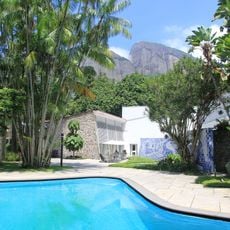
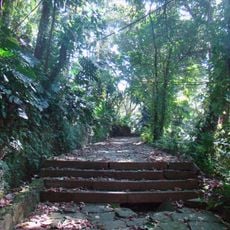
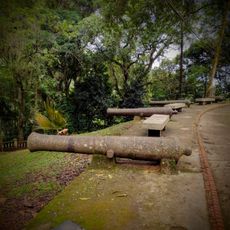
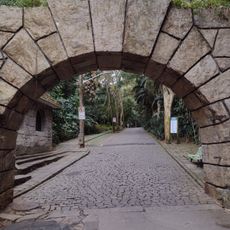
The museum sits inside Parque da Cidade, a 470,000 m² municipal park in Gávea, not in a central district. The complex includes two 19th-century buildings, the 20th-century Capela de São João Batista, a technical reserve and an administrative building; the long-term exhibition pavilion was closed for reopening in 2020, so check which spaces are open before going.
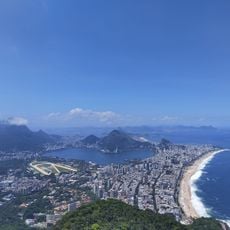
The museum displays rare aerial photographs from different decades showing how Rio expanded outward from the waterfront. These images make visible just how rapidly the city sprawled across shorelines and hillsides.
The community of curious travelers
AroundUs brings together thousands of curated places, local tips, and hidden gems, enriched daily by 92,790 contributors worldwide.