Fort of Santiago, Portuguese colonial fortress in Centro, Rio de Janeiro, Brazil
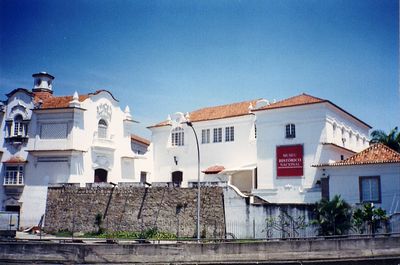
The Fort of Santiago is a stone fortress in Rio's center built to watch over Guanabara Bay. It features thick walls and bastions typical of early colonial military design.
The first structure on the site was a battery raised by Portuguese forces in 1567, part of the defences begun by governor Mem de Sá after the harbour was moved. A battery under the invocation of São Tiago was built at the foot of the Castelo hill in 1603 under Martim Correia de Sá. Rebuilt from 1696 under Sebastião de Castro Caldas, it was linked by a curtain to the Arsenal do Trem around 1768-1769 and later served as arsenal and barracks.
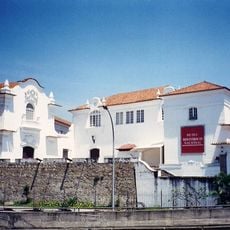
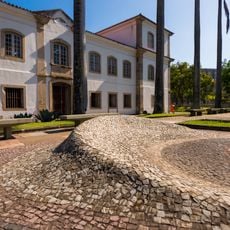
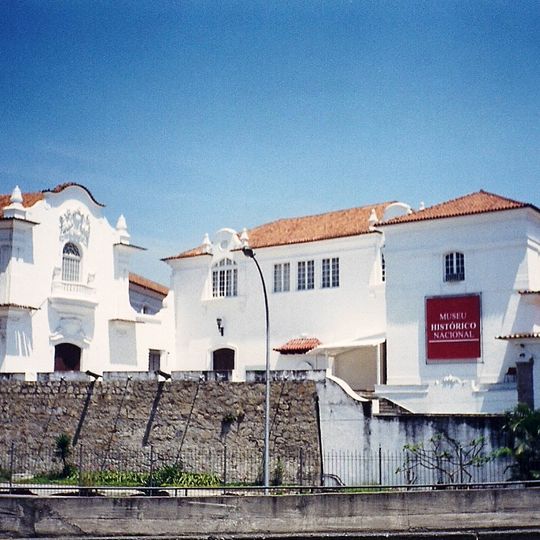
The fort's name refers to Saint James, invoked in 1603 when Martim Correia de Sá raised a battery at the foot of Castelo hill to defend Santa Luzia beach. The site later housed the viceroy's guard barracks, the Casa do Trem de Artilharia (1762), the Arsenal de Guerra (1822) and a barracks (1835). Two dismounted cannon now decorate the preserved wall section at the Casa do Trem, today the Museu Histórico Nacional.
The site opens daily and visitors can explore the cannons, ramparts, and exhibition rooms with or without a guide. It is easy to reach and sits near other historical sights.
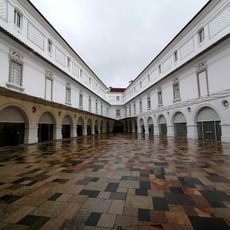
The original stone walls date from the 16th century and remain intact, making it one of Rio's oldest buildings. Modern exhibition space was added inside without destroying the historic structure.
The community of curious travelers
AroundUs brings together thousands of curated places, local tips, and hidden gems, enriched daily by 94,534 contributors worldwide.