Carioca Aqueduct, Colonial aqueduct in Lapa, Brazil
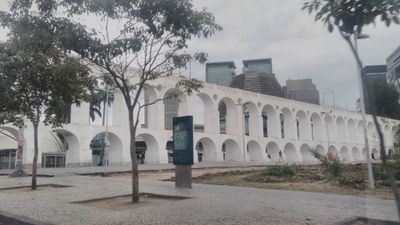
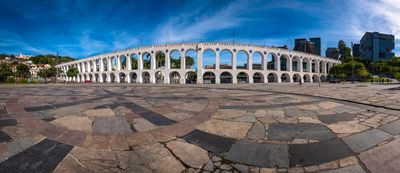
The Carioca Aqueduct is an 18th-century arched bridge in Lapa, Rio de Janeiro, now serving as an elevated tram viaduct. The two-tiered construction of pale stone runs above a busy intersection, with bars and shops lining both sides of the arched passageways below.
The waterway was constructed between 1720 and 1750 to carry drinking water from the Carioca River into the expanding downtown area. In the late 19th century it was converted to a tram route to Santa Teresa after new pipelines replaced its original function.
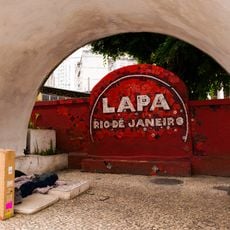
The name Carioca comes from an indigenous word meaning a white person's dwelling and now refers both to the structure and to Rio's residents. The towering arches frame nightly street parties and samba gatherings in Lapa, where locals and visitors meet beneath the spans to experience the city's live music scene.
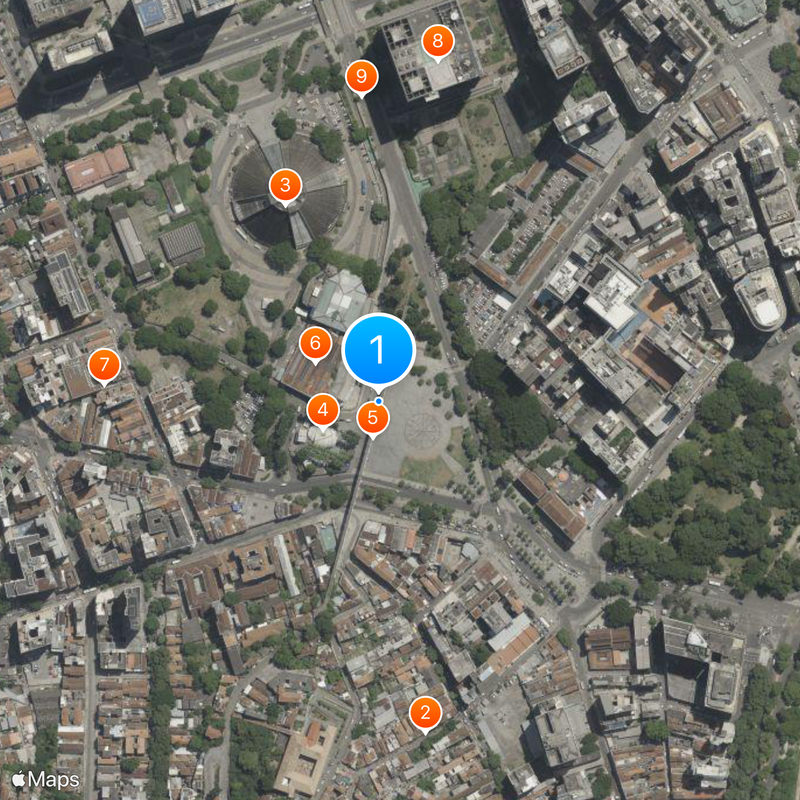
You can walk alongside at both ends and view the architecture up close while the tram passes overhead. The area is quieter during the day but comes alive at night when bars and clubs open and people gather beneath the arches.
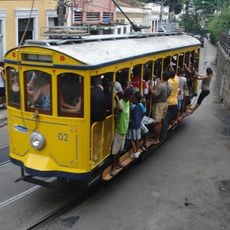
The upper level carries the yellow cars of the historic Santa Teresa tram, which was suspended for years after a serious accident in 2011 and only partially reopened in 2015. On weekend evenings live bands often perform directly beneath the arches on the street, turning the structure into a backdrop for spontaneous open-air concerts.
The community of curious travelers
AroundUs brings together thousands of curated places, local tips, and hidden gems, enriched daily by 60,000 contributors worldwide.