Lapa, Historical district in central Rio de Janeiro, Brazil
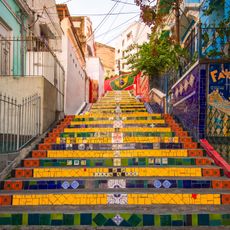
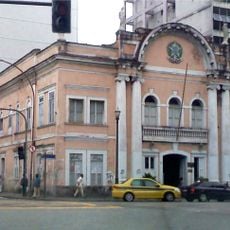
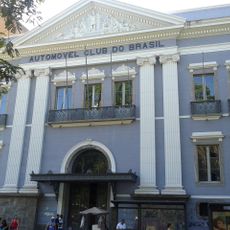
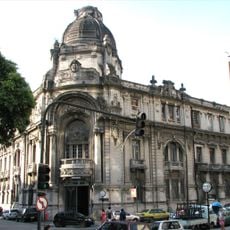
Lapa is a neighborhood in central Rio de Janeiro that blends historic colonial buildings with modern entertainment venues scattered throughout its streets. The area features a mix of restored facades and lively establishments where residents and travelers pass through daily.
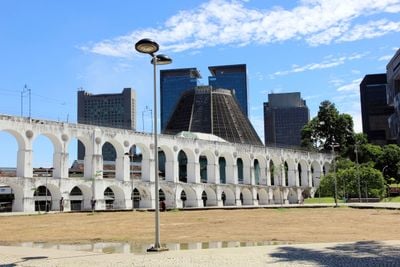
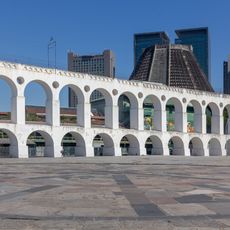
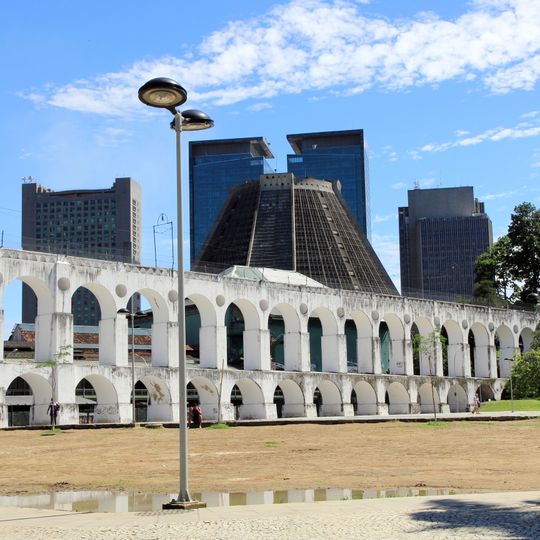
The neighborhood emerged in the 18th century as a key administrative area of Rio, with the distinctive stone aqueduct playing a central role in the city's water distribution system. During the 20th century, it shifted into a cultural hub with music clubs and entertainment venues that remain central to its identity today.
This district has long been a gathering place for live music, where locals and visitors crowd into intimate bars and clubs throughout the evening. The streets come alive with samba and contemporary Brazilian rhythms that define the neighborhood's character.
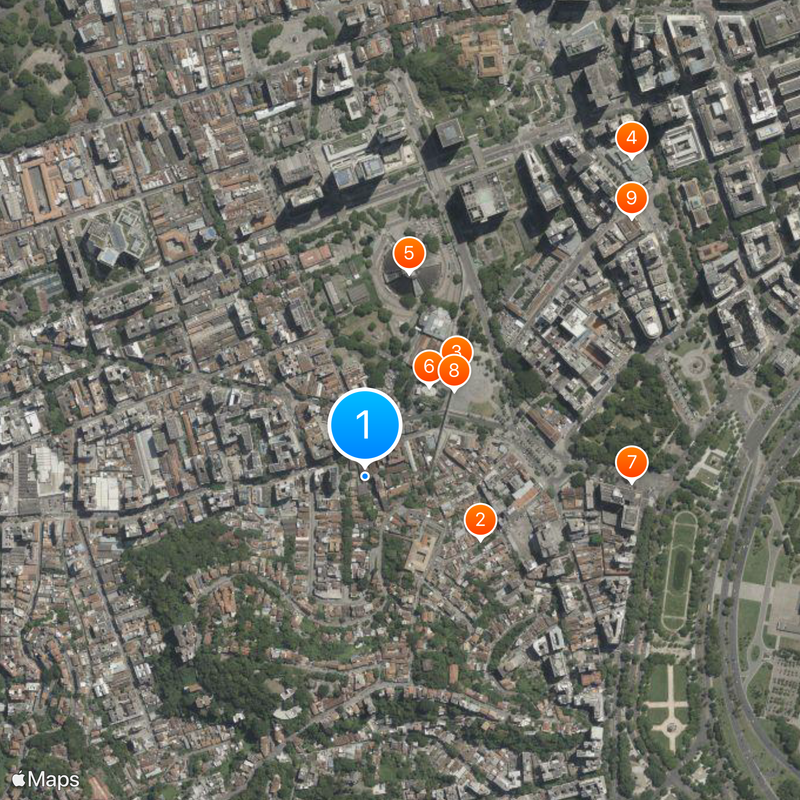
The area is easy to reach from central Rio and has several bus stops and the historic tram system nearby for movement. Plan to explore during the day when shops and cafes are open, then return in the evening when the nightlife peaks.
The striking aqueduct was originally built as a water conduit, not as a landmark, yet locals later repurposed its arches to carry the historic tram system. This clever reuse turned a utilitarian structure into one of the city's most recognizable icons without ever being intended as such.
The community of curious travelers
AroundUs brings together thousands of curated places, local tips, and hidden gems, enriched daily by 92,717 contributors worldwide.