Nova Iguaçu Volcano, Summit in Nova Iguaçu, Rio de Janeiro state, Brazil.
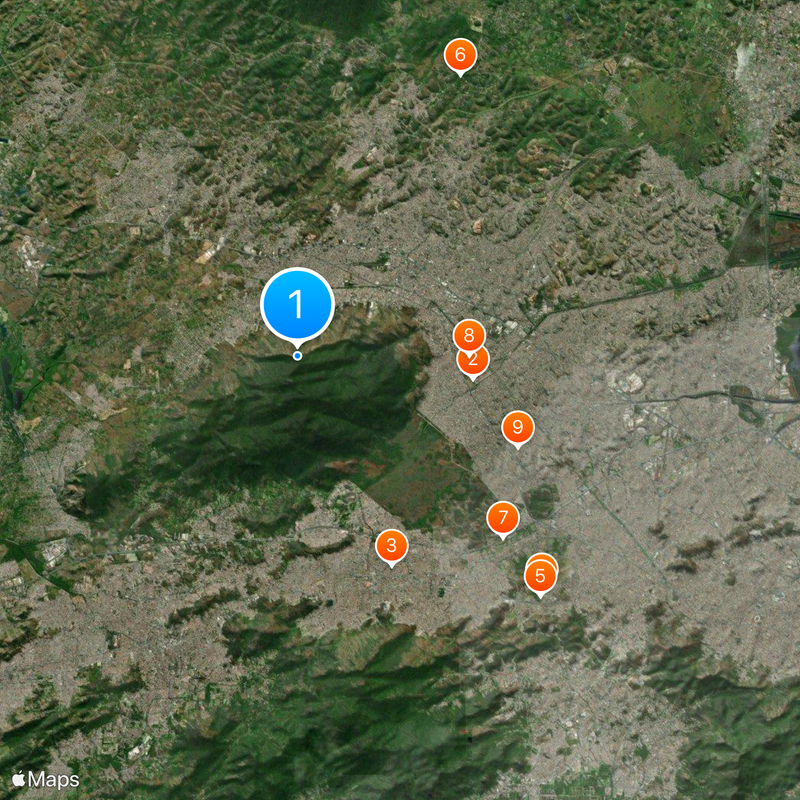
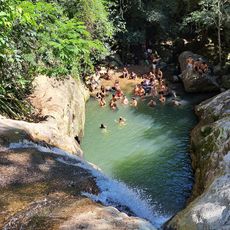
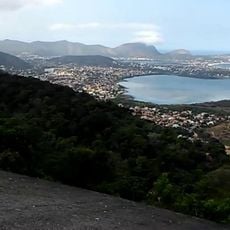
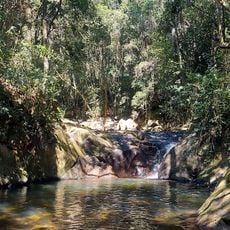
Nova Iguaçu Volcano is a geological formation at the northeastern edge of the Mendanha massif. The site features multiple rock formations and distinct peaks that rise noticeably above the surrounding landscape.
In the 1980s, geologists identified the site as geologically significant. Further research revealed that the rock formations resulted from deep magmatic activity rather than volcanic eruptions at the surface.
The site draws school groups interested in understanding the region's geological history through educational visits. Local guides share stories about how the landscape was shaped and what makes this formation special to the community.
The location sits roughly 35 kilometers west-northwest of Rio de Janeiro and is best explored on foot. Visitors should bring sturdy footwear and water, as the terrain is uneven and there are few facilities along the way.
Despite its name, this location did not experience the typical volcanic eruptions seen elsewhere. The rock formations actually resulted from magmatic processes occurring deep below the surface in a very different way.
The community of curious travelers
AroundUs brings together thousands of curated places, local tips, and hidden gems, enriched daily by 91,127 contributors worldwide.