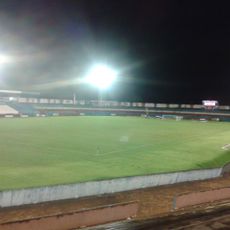
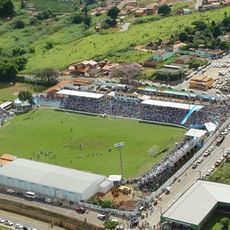
Estádio Parque do Sabiá, Municipal football stadium in Uberlândia, Brazil.
Estádio Parque do Sabiá is a multi-use stadium in the East Zone of Uberlândia, part of the Complexo Municipal Virgílio Galassi alongside the Parque do Sabiá and the Arena Multiuso Tancredo Neves (Sabiazinho). The Cadastro Nacional de Estádio de Futebol lists a capacity of 56,000, with the fire brigade currently permitting 53,000. It is the second largest stadium in Minas Gerais and the largest in the interior of Brazil.
Construction began on 11 October 1978 and the stadium opened on 27 May 1982 with a friendly between Brazil and Ireland, won 7–0; Falcão scored the first goal. Pelé, President Figueiredo and FIFA president João Havelange watched from the stands. In 1995 it was renamed Estádio Municipal João Havelange at the suggestion of councillor Leonídio Bouças, and in 2015, after FIFA corruption scandals, the council restored the name Parque do Sabiá.
The stadium's nickname comes from the thrush (sabiá) of the surrounding park. It hosted the 1995 South American Women's Championship, which qualified teams for the 1995 Women's World Cup. The 2015 renaming back to Parque do Sabiá followed FIFA corruption scandals involving João Havelange.
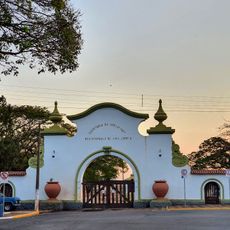
The stadium sits in the Complexo Municipal Virgílio Galassi in Uberlândia's Zona Leste, beside the Parque do Sabiá and the Arena Multiuso Tancredo Neves (Sabiazinho). The Cadastro Nacional de Estádio de Futebol lists 56,000 seats, but the fire brigade currently permits 53,000. Access is through the complex, so allow time to walk from the park entrances.
The stadium sits inside the Complexo Municipal Virgílio Galassi alongside the Parque do Sabiá and the Arena Multiuso Tancredo Neves, known as Sabiazinho. Its inaugural match on 27 May 1982 drew a record crowd of 80,000 to see Brazil beat Ireland 7–0, with Pelé, President Figueiredo and FIFA president João Havelange in the stands.
The community of curious travelers
AroundUs brings together thousands of curated places, local tips, and hidden gems, enriched daily by 94,346 contributors worldwide.