Historic Town of Ouro Preto, Colonial architectural ensemble in Minas Gerais, Brazil
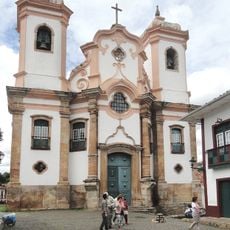
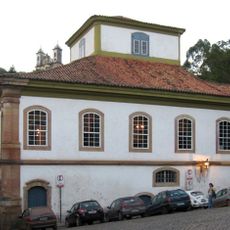
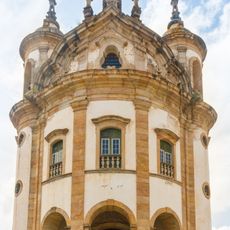
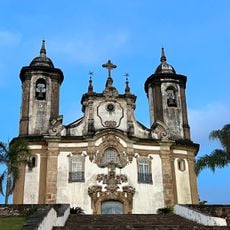
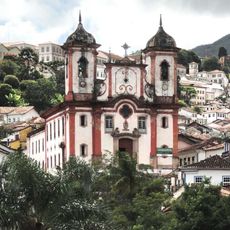
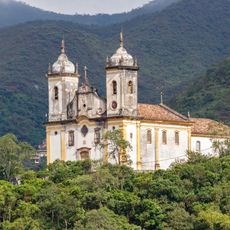
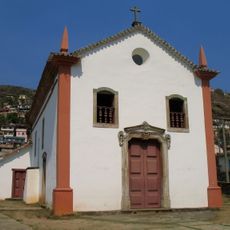
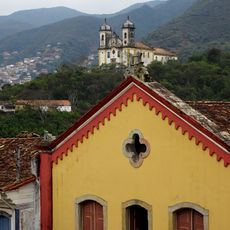
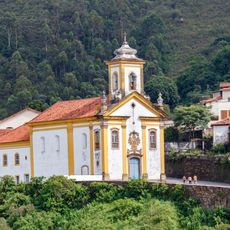
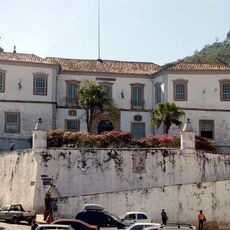
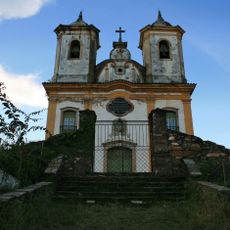
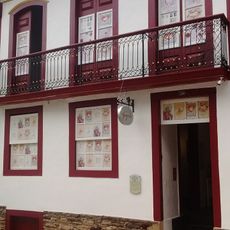
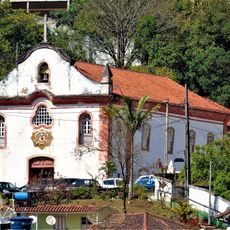
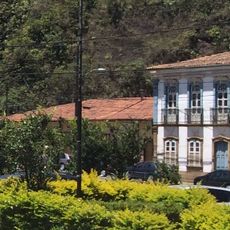
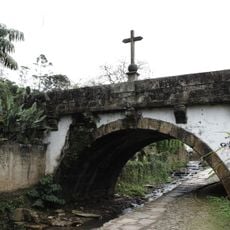
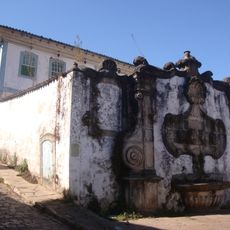
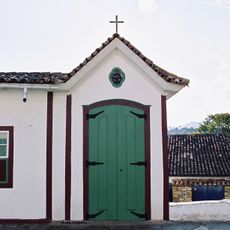
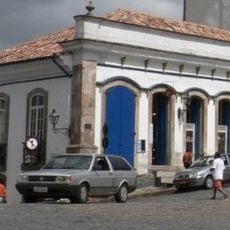
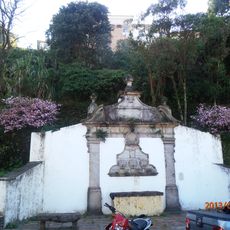
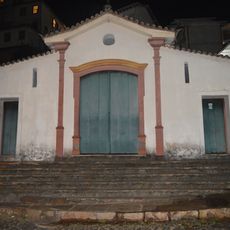
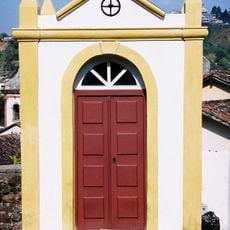
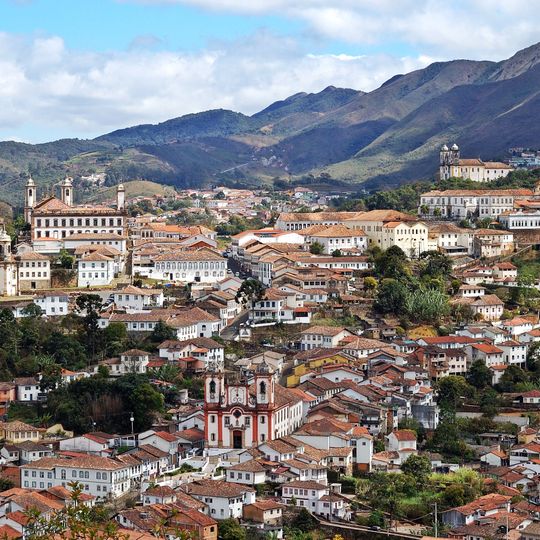
Ouro Preto is a colonial town on steep slopes in Minas Gerais built with winding streets, public buildings, residences, fountains, bridges, and churches displaying curved Baroque architecture. Houses cluster tightly together, some with gilded facades and painted doorframes, while stone staircases link the different levels.
The town emerged during the Brazilian Gold Rush in 1698 and served as capital of Minas Gerais Province from 1720 to 1897. This extended period as a political and economic center shaped its architectural and artistic development.
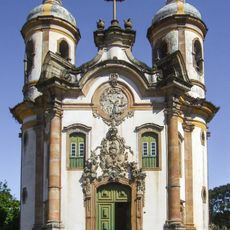
The Church of São Francisco de Assisi displays intricate stone carvings by Antônio Francisco Lisboa and ceiling paintings by Manuel da Costa Athaide that remain central to local religious practice and the town's visual identity.
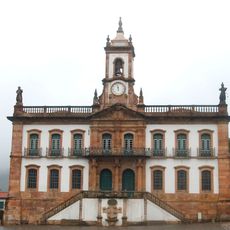
The historic center contains multiple museums, including the Mining School in the former governor's palace and the Inconfidência Museum in the old penitentiary. The steep streets require considerable uphill and downhill walking, so comfortable shoes and extra time are recommended.
Restrictions placed by the Portuguese Crown on religious orders in Minas Gerais led to churches built without conventional monasteries. This constraint forced architects and artists to develop distinctive solutions found nowhere else in colonial Brazil.
The community of curious travelers
AroundUs brings together thousands of curated places, local tips, and hidden gems, enriched daily by 92,586 contributors worldwide.