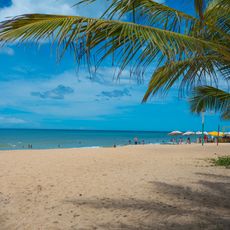
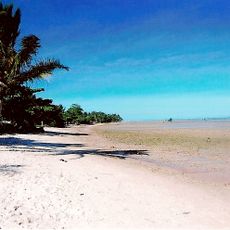
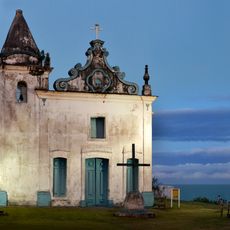
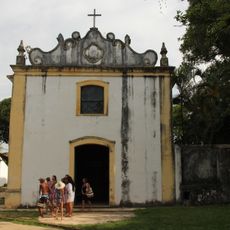
Cidade Alta de Porto Seguro, Heritage site in Porto Seguro, Brazil.
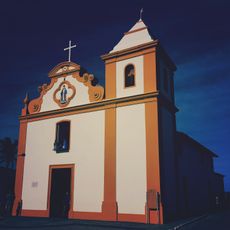
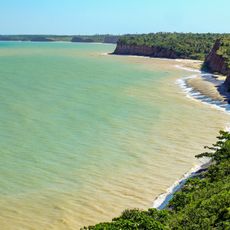
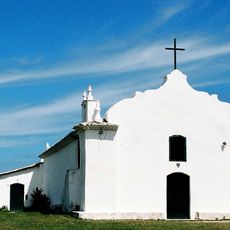
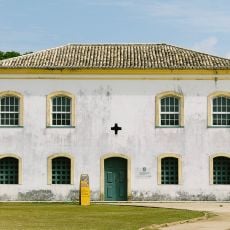
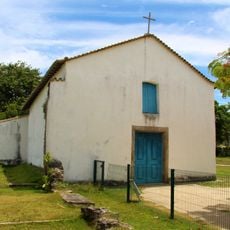
Cidade Alta of Porto Seguro is a historic district in Brazil situated on an elevated area overlooking the Atlantic coast, defined by colonial architecture. The buildings feature white walls and red-tiled roofs organized in a formal grid pattern around stone-paved streets.
The Tupiniquim inhabited the Buranhém river mouth before Cristóvão Jacques set up a trading post there in 1526; the Vila de Porto Seguro was created on the same spot in 1532. The Aimoré burned the settlement in 1553, and after the hereditary captaincies ended the captaincy passed to the Portuguese Crown in 1761, when many of the listed buildings went up. Porto Seguro became a city in 1891 and was listed by IPHAN in 1968.
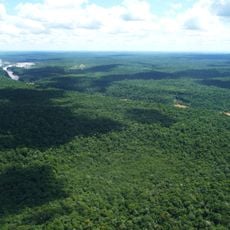
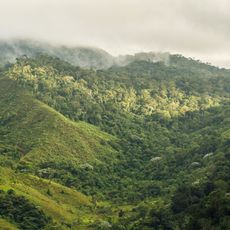
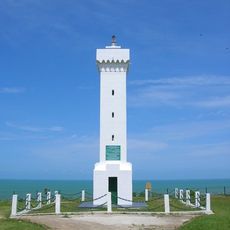
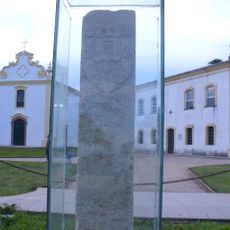
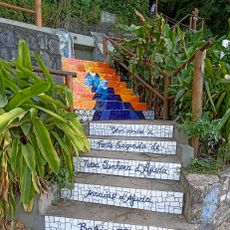
The upper town held the administrative functions and the wealthier households, while the lower town grew from the Pontinha, the river crossing point. The two levels, about 2 km apart, are joined by steep lanes and stairways cut into a wooded escarpment. Near the historic centre stands the Marco do Descobrimento, a 1.50 m lioz limestone pillar carved with the Arms of Portugal and the Cross of Christ, attributed to Duarte Coelho and now set on a raised platform under a glass dome with four ramps.
Access is via stone steps from the lower town or by taxi to the central plaza, making it reachable from the modern city below. The district is compact and easily explored on foot, from its highest to lowest points.
The district operates under strict preservation rules that prevent changes to building heights and architectural features within its protected zone. These restrictions ensure the area retains its appearance from earlier periods.
The community of curious travelers
AroundUs brings together thousands of curated places, local tips, and hidden gems, enriched daily by 92,814 contributors worldwide.