Cemitério Santa Isabel, Historic cemetery in Mucugê, Brazil.
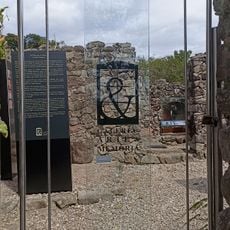
Cemitério Santa Isabel is a burial ground in Mucugê featuring white mausoleums constructed on natural rock formations that step down the hillside. The site contains both open areas and walled sections with historical burial structures arranged across the sloped terrain.
The cemetery was built after a 19th-century epidemic, in a town emancipated from Rio de Contas in 1847 as Vila de Santa Isabel do Paraguaçu and renamed Mucugê in 1917. IPHAN listed it in 1980, and from 2011 a reform added 170 drawer-style tombs. In 1992 it appeared in the Globo telenovela Pedra sobre Pedra.
The popular name "Cemitério Bizantino" is misleading: the tombs are not Byzantine in style. IPHAN studies describe them as vernacular architecture, with mausoleums growing out of the rock like the "locas e tocas" that housed garimpeiros. Researcher Maria Elizia Borges notes the graves are aligned horizontally, numbered in sequence and facing the cemetery front, following the Serra do Sincorá slope, with beds of mandacarus, sempre-vivas and samambaias between the terraces.
The site is easy to reach and allows visitors to explore both level areas and sloped sections comfortably. Wearing sturdy shoes is helpful since you will walk over uneven terrain and small rises.
The white tombs stand out sharply against the green surroundings, creating a striking visual pattern that looks especially noticeable from a nearby viewpoint. Seen from above, this view highlights how the burial structures sit within the mountain landscape in an unusual way.
The community of curious travelers
AroundUs brings together thousands of curated places, local tips, and hidden gems, enriched daily by 93,314 contributors worldwide.