Terreiro Tumba Junçara, Candomblé terreiro in Vasco da Gama, Salvador, Brazil
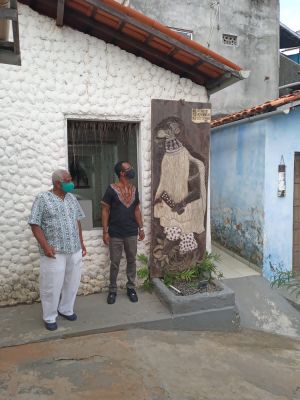
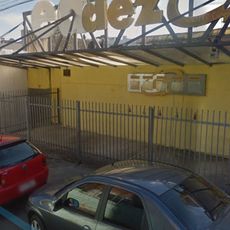
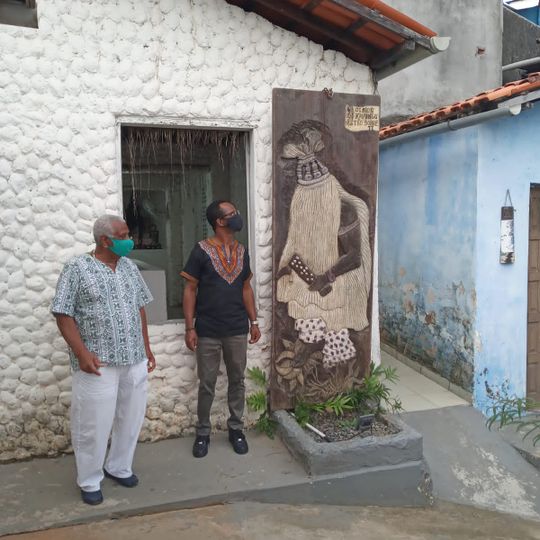
Terreiro Tumba Junçara is a Candomblé terreiro at Ladeira da Vila América, Travessa 30, Avenida Vasco da Gama 30, in the Vasco da Gama neighborhood of Salvador, Bahia. It was founded in 1919 in Acupe, Santo Amaro da Purificação, and moved several times before settling at this address. The house is registered as a state heritage site by IPAC.
Founded in 1919 at Acupe, Santo Amaro da Purificação, by the irmãos de esteira Manoel Rodrigues do Nascimento (Kambambe) and Manoel Ciriaco de Jesus (Ludyamungongo), both initiated in 1910 by Maria Neném of the Terreiro Tumbensi. The house moved successively to Pitanga, Beiru, Ladeira do Pepino and finally to Ladeira da Vila América in Vasco da Gama, Salvador. After Kambambe's death, Ludyamungongo led it until 4 February 1965; Maria José de Jesus (Deré Lubidí) then took over, followed by Iraildes Maria da Cunha (Mesoeji).
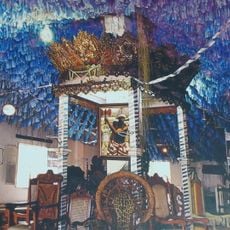
The house belongs to the Angola nation, and its rituals follow the foundations of the Terreiro do Bogum, the oldest Angola house in Bahia. In the first initiation boat of Tata Nlundi ia Mungongo, three azenza were initiated according to Bogum foundations and three according to those of Tumba Junçara. The first son of santo was Ricardino, whose dijina was Angorense.
The terreiro is located in a residential neighborhood and can be reached on foot, though the streets in the area can be narrow and uneven. Since this is an active place of worship, it is best to ask about visiting conditions in advance and to follow the community's guidelines on arrival.
The terreiro belongs to the Angola nation, one of the three main branches of Candomblé, each with its own rhythms, language, and set of deities. This lineage shapes everything about how ceremonies are conducted and how the space is arranged and used.
The community of curious travelers
AroundUs brings together thousands of curated places, local tips, and hidden gems, enriched daily by 92,817 contributors worldwide.