Jaguaribe River, Major river system in Ceará, Brazil
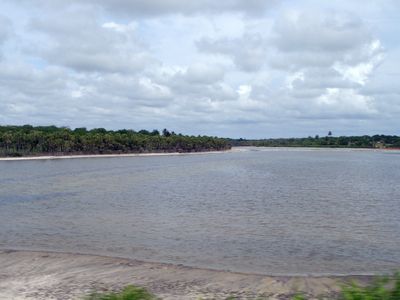
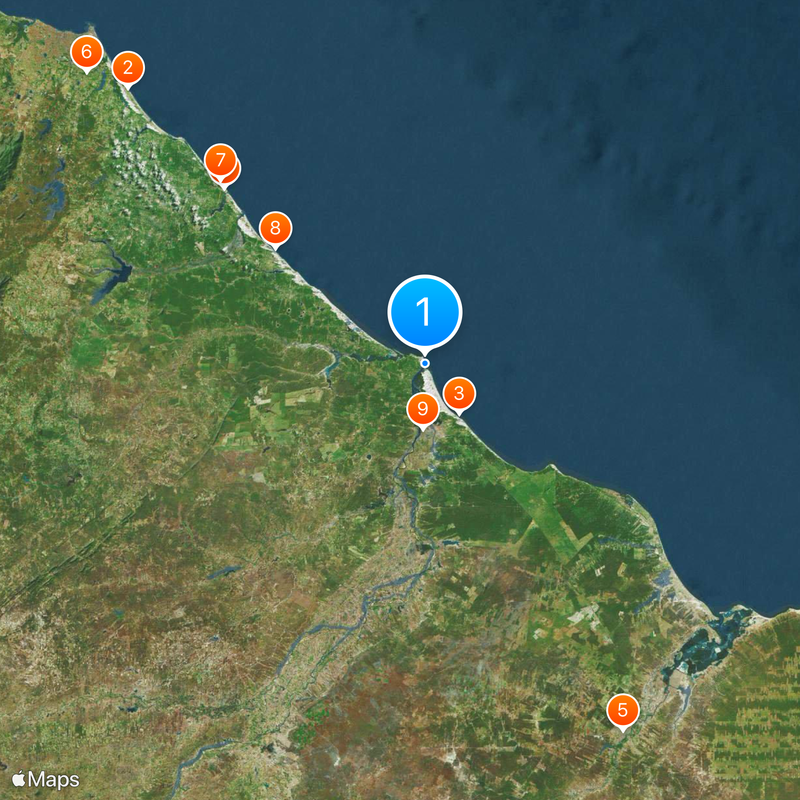
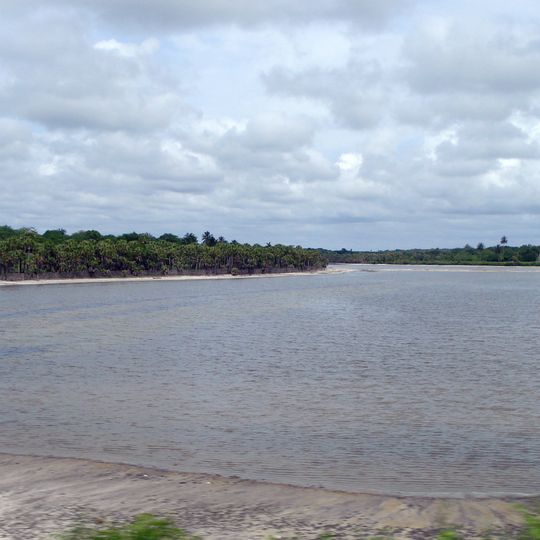
The Jaguaribe is a major river in Ceará that flows for about 560 kilometers, starting where two smaller rivers meet in the Serra Grande hills. Two dams along its course hold back water that feeds irrigation channels reaching farms and towns across the region.
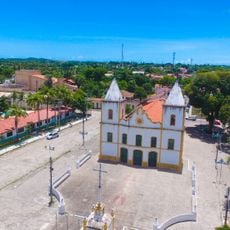
The river valley changed fundamentally with the building of the Orós Dam in 1960 and later the Castanhão Dam in 2003. These dams flooded the old city of Jaguaribara, forcing residents to relocate and rebuild their community elsewhere.
People living along the riverbanks fish and farm using methods passed down through generations, adapted to how water levels change with the seasons. These practices shape daily life in the communities that depend on this waterway.
The river is most accessible during the rainy season when water levels are higher, while dry periods make it less navigable. Visitors should expect to travel with local guides and check conditions before planning a visit.
Carnauba palms grow along the riverbanks, producing a natural wax harvested for candles, polishes, and roof materials. These palms have supplied local people with goods for trade and everyday use for generations.
The community of curious travelers
AroundUs brings together thousands of curated places, local tips, and hidden gems, enriched daily by 60,000 contributors worldwide.