Boomplaas Cave, Archaeological cave in Cango Valley, South Africa
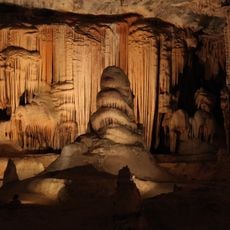
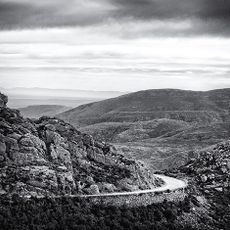
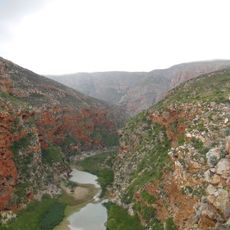
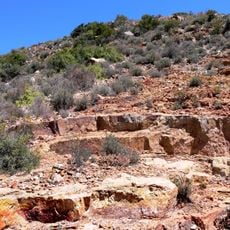
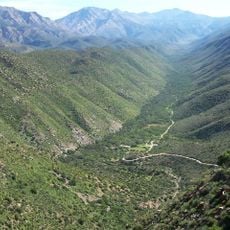
Boomplaas Cave is an archaeological site in the foothills of the Swartberg mountain range in South Africa, containing five meters of layered deposits from different prehistoric periods. The location preserves remains of humans, animals, plants, and charred material that offer insights into life spanning tens of thousands of years.
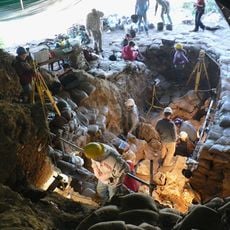
The cave system was explored between 1972 and 1979 by archaeologist Hilary John Deacon, who uncovered bones, plant remains, and charcoal across multiple layers. These discoveries allowed researchers to document the long history of human settlement in the region.
The cave displays tools and pottery from different periods, showing how the craftsmanship of the earliest inhabitants evolved over thousands of years. Visitors can observe how simple stone implements gradually became more refined objects.
Access to the site requires coordination with research institutions due to ongoing excavations. It is wise to gather information about visitor regulations in advance and follow safety guidelines on location.
Analysis of animal bones reveals a shift in hunting practices: early inhabitants hunted larger animals, then later focused on smaller antelope species. This change documents how survival methods of early residents adapted over millennia.
The community of curious travelers
AroundUs brings together thousands of curated places, local tips, and hidden gems, enriched daily by 91,858 contributors worldwide.