Wilderness National Park, National park in the Garden Route, Western Cape, South Africa
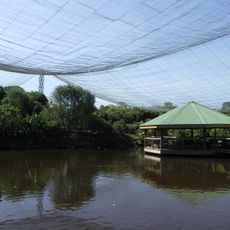
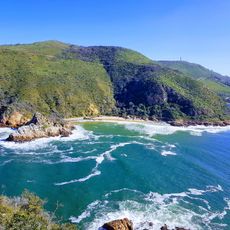
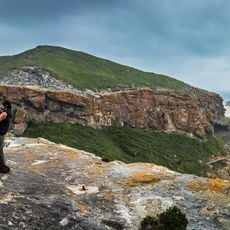
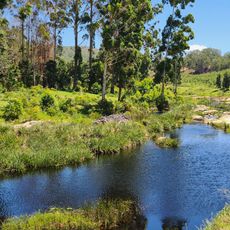
Wilderness National Park, the Wilderness Section of Garden Route National Park, runs from the Touws River mouth past the Eilandvlei estuary to Swartvlei lake, beside the Goukamma Nature Reserve. It protects three zones of indigenous forest, four fynbos types, and the Touws River's chain of three lakes: Eilandvlei, Langvlei and Rondevlei. The Serpentine links Island Lake to the Touws River near the Ebb-and-Flow Rest Camp.
In 1968, 450 hectares around the Touws River mouth, including two lakes and the Duiwerivier Kloof, were identified for protection. The Lake Areas Development Board managed the area until 1985, when the National Parks Board took over. Wilderness National Park was proclaimed in 1987 and joined the Garden Route National Park in 2008.
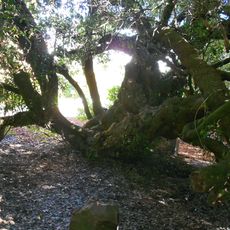
The name 'Wilderness' refers to the wild, untamed forests and lakes that characterize this area. The reed-lined shores and dense woodland draw visitors seeking to observe birds and experience the natural landscape firsthand.
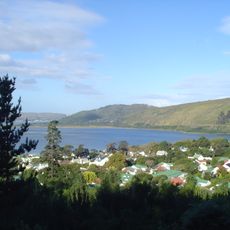
The Touws River links Eilandvlei, Langvlei and Rondevlei, and the Serpentine connects Island Lake to the Touws River near the Ebb-and-Flow Rest Camp. Trails run through dense forest and along quiet rivers, and canoeing, bicycling, abseiling, kloofing, paragliding, boating, fishing and hiking are all possible. The park lies around the seaside town of Wilderness between George and Knysna.
The Touws River links three lakes — Eilandvlei, Langvlei and Rondevlei — which are listed as a Ramsar wetland of international importance. The park also protects the Knysna seahorse and the pansy shell, the flat sea-urchin test stamped with a five-petalled flower that serves as the emblem of Plettenberg Bay.
The community of curious travelers
AroundUs brings together thousands of curated places, local tips, and hidden gems, enriched daily by 93,465 contributors worldwide.