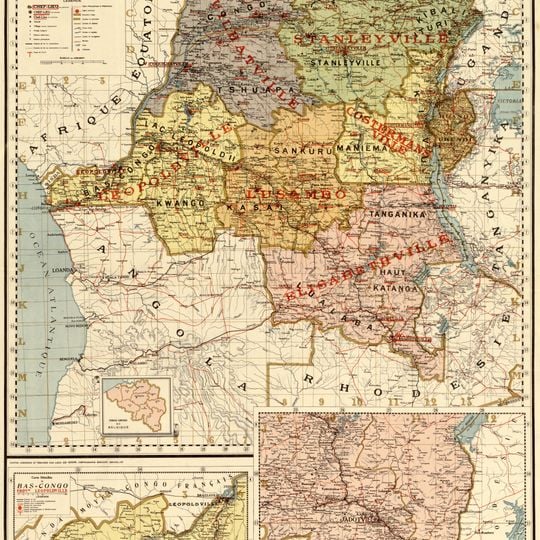
Belgian Congo, Belgian colony in Central Africa.
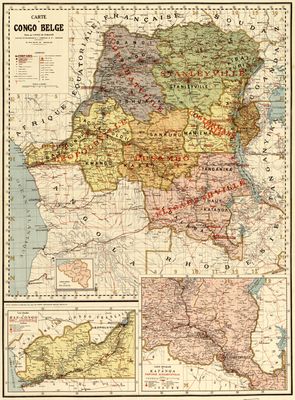
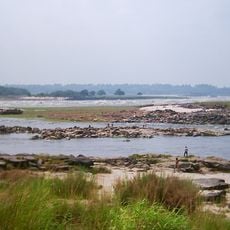
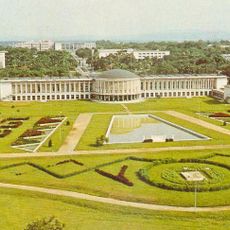
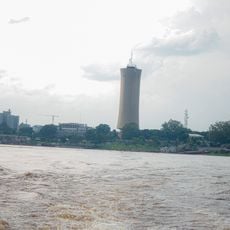
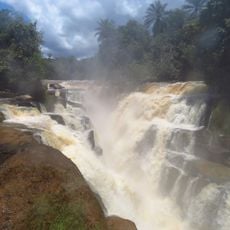
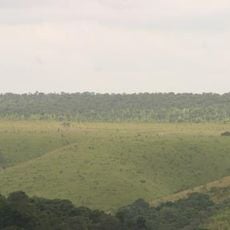
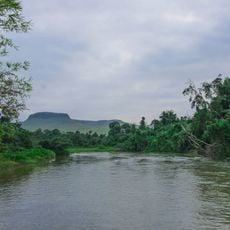
This colony stretched across 2.3 million square kilometers in Central Africa, including rainforests, savannas, mountain regions, and the Congo basin. The capital Léopoldville sat on the river's edge, while provincial centers like Elisabethville and Stanleyville served as administrative hubs for the sprawling territory.
Belgium assumed direct control from King Leopold II in 1908, creating a provincial administration with governors and military units. This arrangement lasted until independence in 1960, when the territory became the Democratic Republic of the Congo.
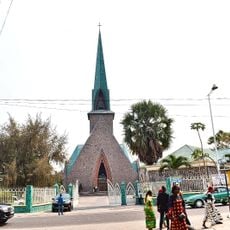
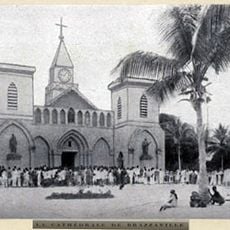
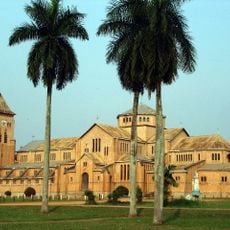
French became the language of administration, while separate schools, neighborhoods, and social institutions divided Europeans and Africans into parallel worlds. This separation appeared in every aspect of public life, from city districts to church congregations.
Railways connected coastal ports to mining areas inland, while river steamers navigated the Congo and its tributaries. Infrastructure concentrated around areas rich in copper, diamonds, uranium, and rubber destined for export.
The Shinkolobwe mine in Katanga province supplied uranium for the Manhattan Project during World War II, turning this remote area into a strategic focal point. The radioactive ore was extracted under tight secrecy and shipped overseas.
The community of curious travelers
AroundUs brings together thousands of curated places, local tips, and hidden gems, enriched daily by 60,000 contributors worldwide.