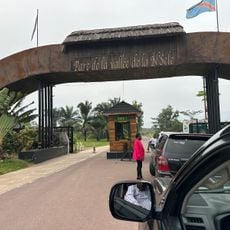
Kisantu Botanical garden, Botanical garden in Kisantu, Democratic Republic of the Congo
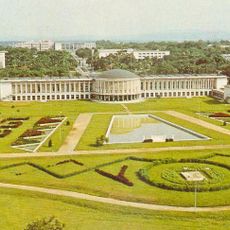
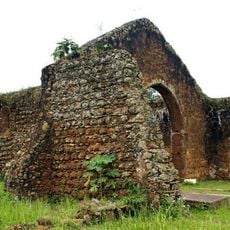
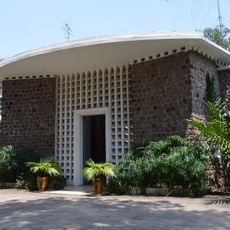
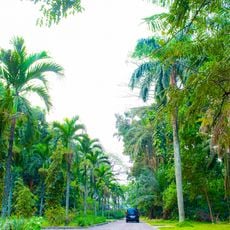
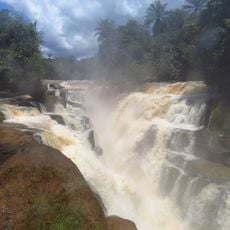
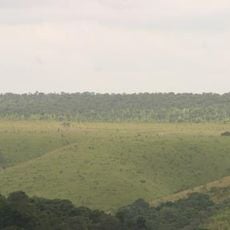
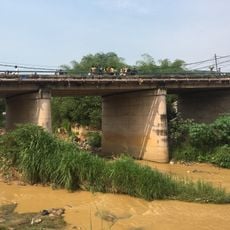
Kisantu Botanical Garden lies on the right bank of the Inkisi River at 525 metres above sea level. Its 225 hectares combine the original 100-hectare garden with 125 hectares of savanna added in 1972. The site is protected by a dike and drained by a network of canals and ditches, with a palm grove, an arboretum of 200 native trees, a succulent greenhouse and an orchid collection.
Brother Justin Gillet of the Jesuits began planting a garden on the Bergeyck-Saint-Ignace mission plateau in October 1898. In 1900 it moved to the fertile Yindu plain, protected by a dike and irrigated by canals, originally to grow fruit and vegetables for the missionaries. The Jesuits handed the land to the Congolese state, which placed it under the Institute of Zoological and Botanical Gardens created in 1978; in 1997 the collections were looted and rebel troops occupied the garden. Rehabilitation began in August 2004 under an agreement between the National Botanic Garden of Belgium and WWF, funded by the European Union.
The garden serves as a meeting place where researchers and students work together on understanding plants and their protection. Visitors can observe this work firsthand and see how local plant knowledge is being preserved and studied.
The site is located about 130 kilometers from Kinshasa along the road to Matadi and offers basic overnight accommodation. Visitors can stay in shared dormitory spaces or private rooms if they need more time to explore the grounds.
In 2013 the garden's management was entrusted to Congolese businesswoman Odette Maniema Krempin through her Promo Kisantu Garden project, focused on modernising infrastructure for tourism. Her partner, Belgian former accountant Stephan De Witte, whom she had named director general, was last seen in the garden's park before disappearing in June 2014.
The community of curious travelers
AroundUs brings together thousands of curated places, local tips, and hidden gems, enriched daily by 94,154 contributors worldwide.