Great Rift Valley, Geological formation in Kenya
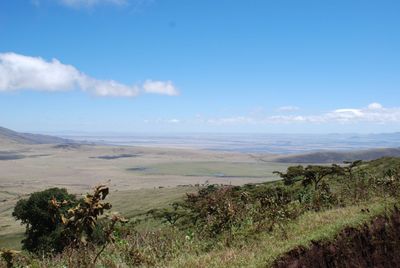
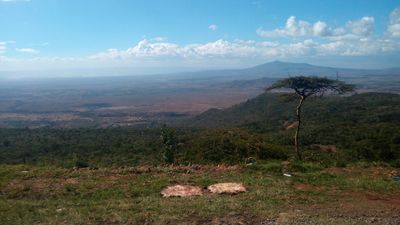
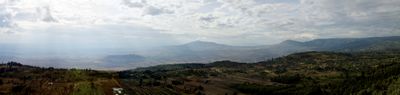
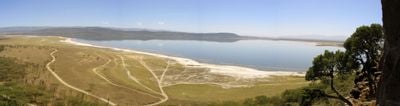
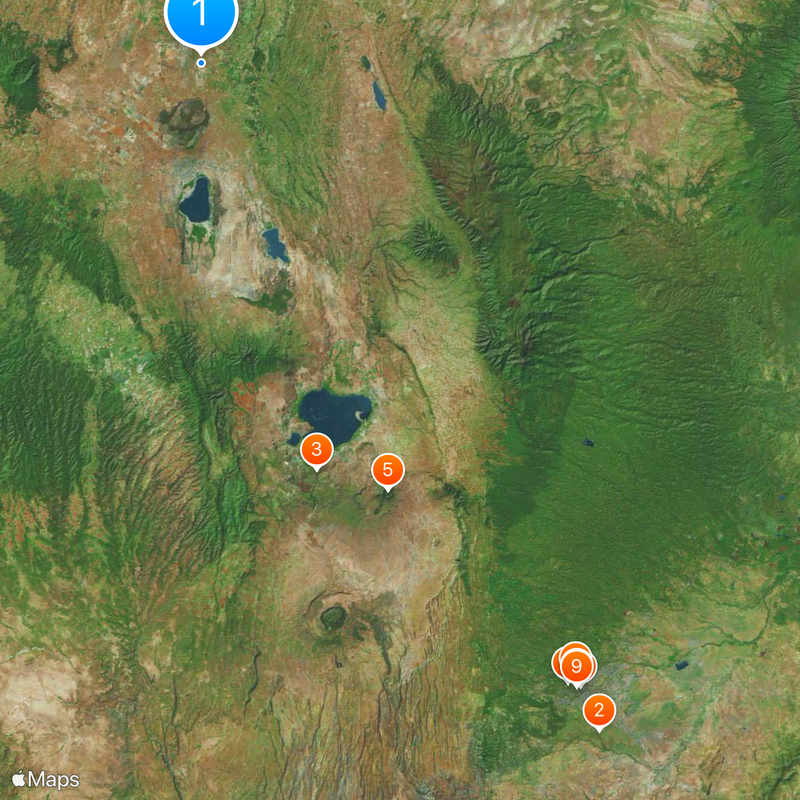
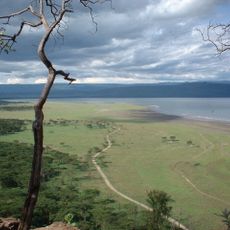
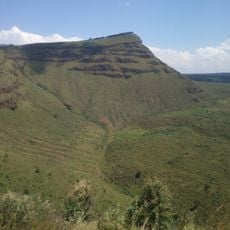
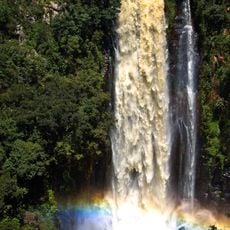
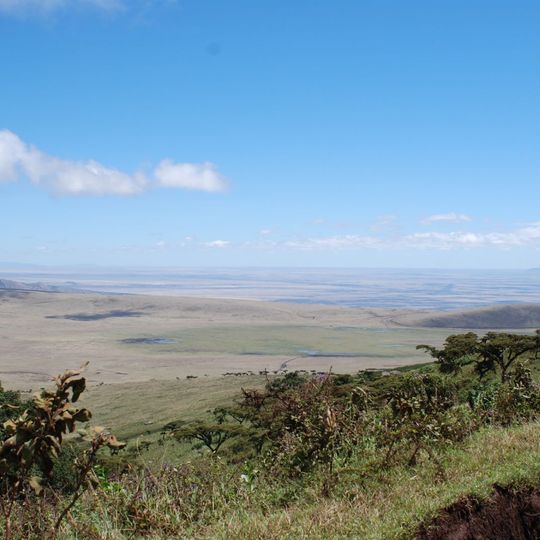
The Great Rift Valley stretches across eastern Kenya as a massive geological depression formed by tectonic plate separation, featuring deep escarpments, alkaline lakes, and active volcanic formations that create a diverse landscape of savannas, mountains, and water bodies.
The Great Rift Valley has served as a crucial site for human evolution research, yielding numerous hominid fossils and archaeological evidence that demonstrates early human development over millions of years, particularly around Lake Turkana and other paleontological sites.
Local communities including the Maasai and Kikuyu peoples have inhabited the Great Rift Valley for centuries, maintaining traditional pastoralist lifestyles, cultural ceremonies, and agricultural practices that reflect their deep connection to the land and its natural resources.
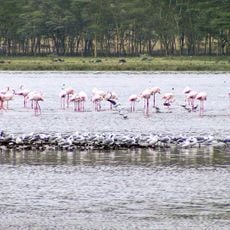
Visitors can access the Great Rift Valley through Nairobi with guided tours to national parks like Maasai Mara, offering opportunities for wildlife viewing, birdwatching at flamingo-populated lakes, and hiking volcanic peaks like Mount Longonot throughout the year.
The Great Rift Valley continues to widen at approximately 2-3 millimeters annually due to ongoing tectonic activity, representing one of the most active continental rift systems on Earth where scientists can observe real-time geological processes.
The community of curious travelers
AroundUs brings together thousands of curated places, local tips, and hidden gems, enriched daily by 91,170 contributors worldwide.