Île Amsterdam, Research station in French Southern and Antarctic Territories, France
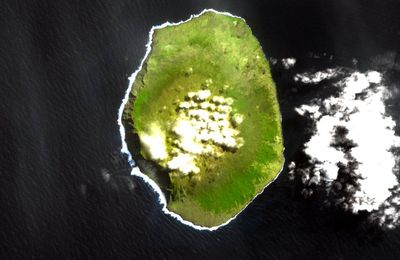
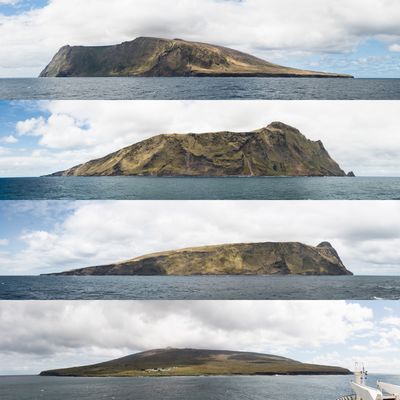
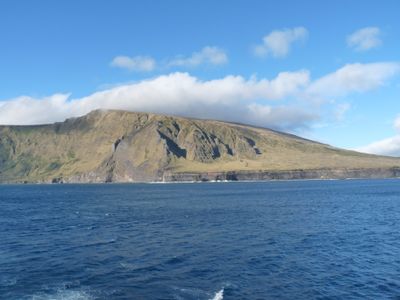
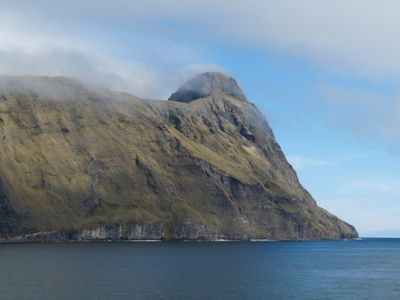
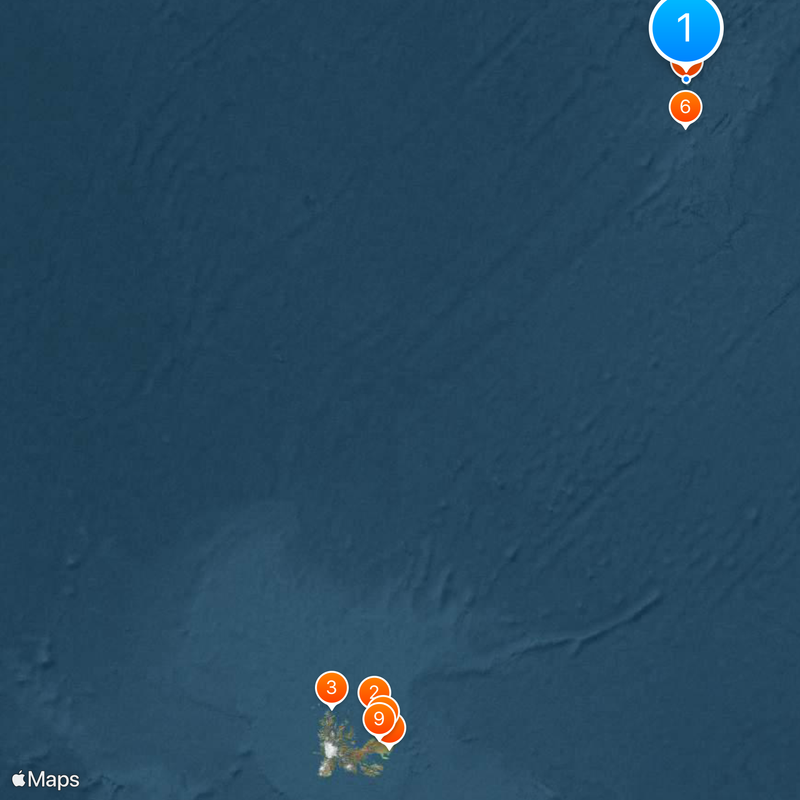
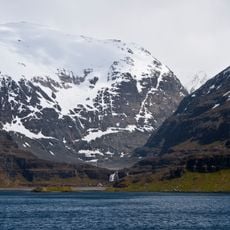
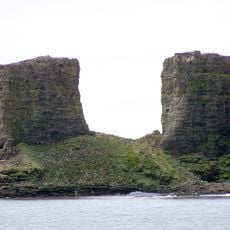
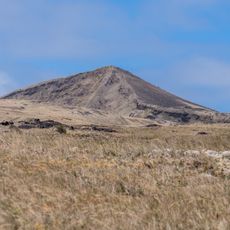
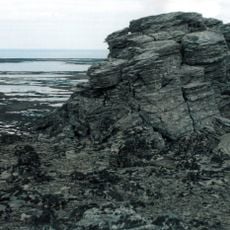
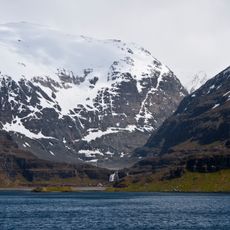
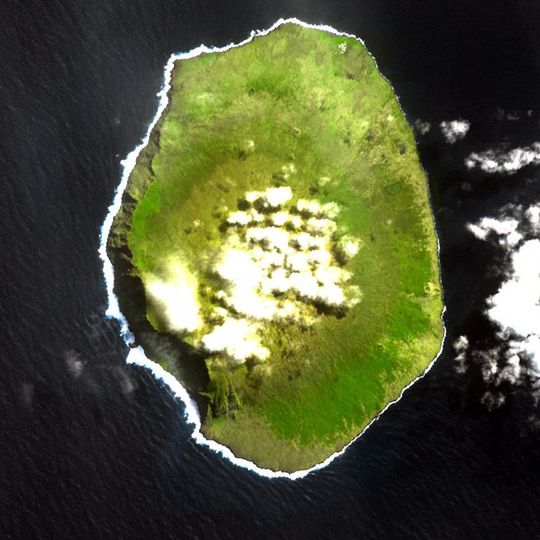
Île Amsterdam is a volcanic island in the southern Indian Ocean that belongs to the French Southern and Antarctic Territories and covers 55 square kilometers. The extinct volcano Mont de la Dives rises in the center and reaches 911 meters, while steep cliffs dominate the entire coastline.
Spanish navigator Juan Sebastián de Elcano sighted the island in 1522 during his circumnavigation of the world. Dutch explorer Anthony van Diemen gave it the name Nouvelle Amsterdam in 1633, before France took possession of it in the 19th century.
The research station Martin-de-Viviès hosts a rotating group of scientists and technicians who spend several months at a time collecting data on weather, wildlife and earth magnetism. The station operates year-round and maintains France's presence in this remote part of the Southern Ocean.
Only authorized personnel and occasional scientists may visit the island, and all travelers require permission from French authorities. Supply ships depart from Réunion several times a year, bringing equipment and new crew members to the station.
The Amsterdam albatross breeds only on the plateau of this island and nowhere else on earth. Fewer than 200 breeding pairs return each year to raise their young in the windswept grasses.
The community of curious travelers
AroundUs brings together thousands of curated places, local tips, and hidden gems, enriched daily by 91,694 contributors worldwide.