Saint Paul and Amsterdam, French administrative division in southern Indian Ocean
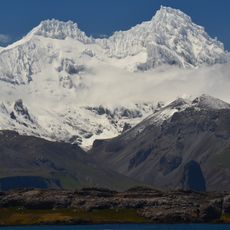
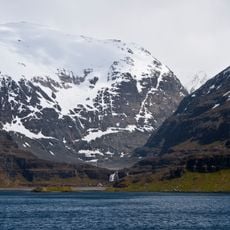
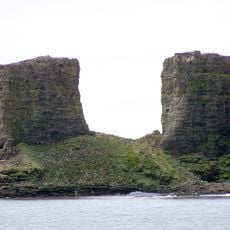
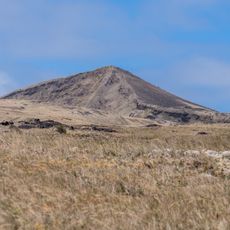
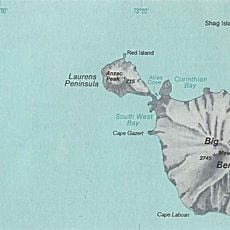
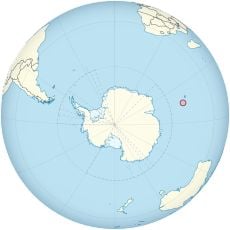
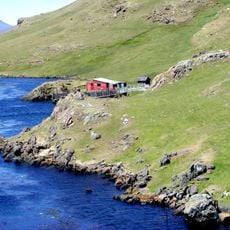
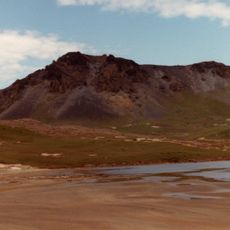
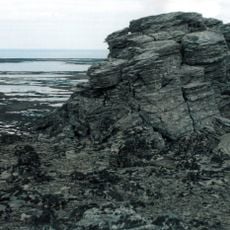
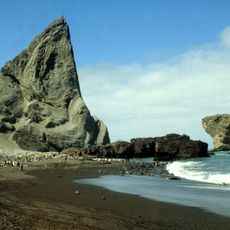
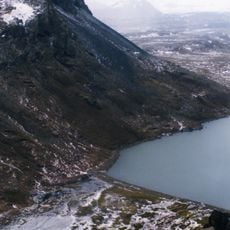
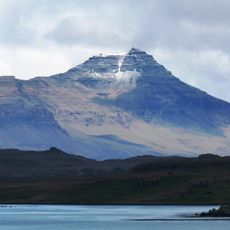
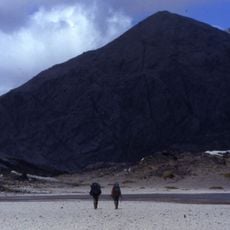
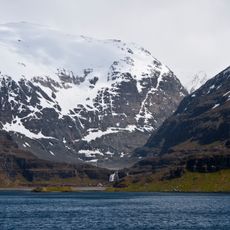
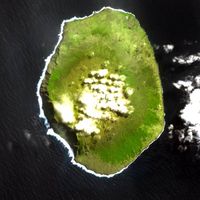
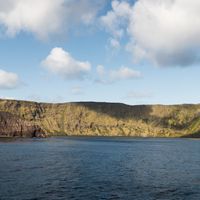
Saint Paul and Amsterdam is an island group consisting of two volcanic landmasses in the southern Indian Ocean, located north-northeast of Kerguelen Islands. These two islands formed from volcanic activity and display a bare, wind-swept landscape with rocky coastlines and elevated plateau regions.
Spanish explorer Juan Sebastián de Elcano made the first recorded sighting of Amsterdam Island in March 1522, naming it Desesperanza. France later renamed the island and eventually established a permanent research presence on the archipelago.
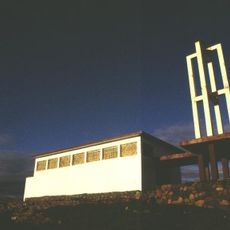
The Martin-de-Vivies research station shapes daily life on the islands, blending French presence with environmental conservation work. Scientists from different nations collaborate here and share their findings about the southern oceans.
Access is severely restricted and mainly limited to authorized research personnel, as the islands are part of a protected French territory. Visitors should know that the region experiences extreme weather conditions with strong winds and low temperatures.
The Amsterdam albatross nests exclusively on Amsterdam Island's plateau, making this area essential for the survival of this rare bird species. Scientists monitor their populations across decades to understand their survival prospects in a changing environment.
The community of curious travelers
AroundUs brings together thousands of curated places, local tips, and hidden gems, enriched daily by 92,353 contributors worldwide.