Île Saint-Paul, Volcanic island in southern Indian Ocean, France
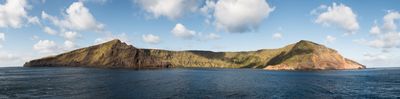
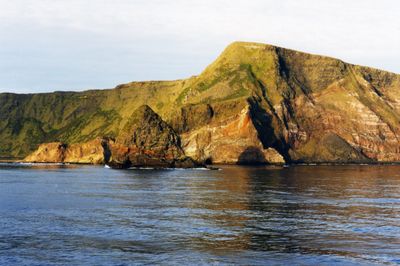
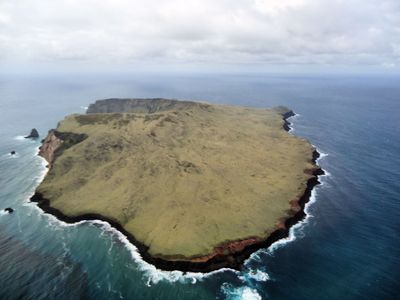
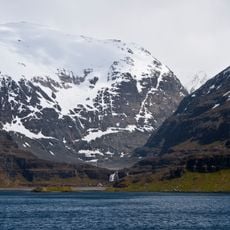
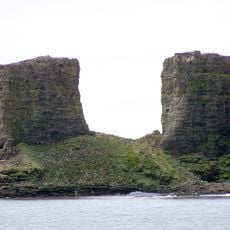
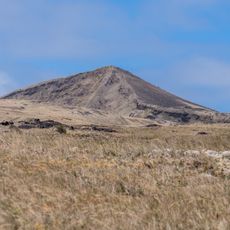
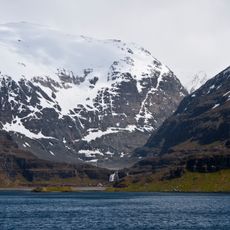
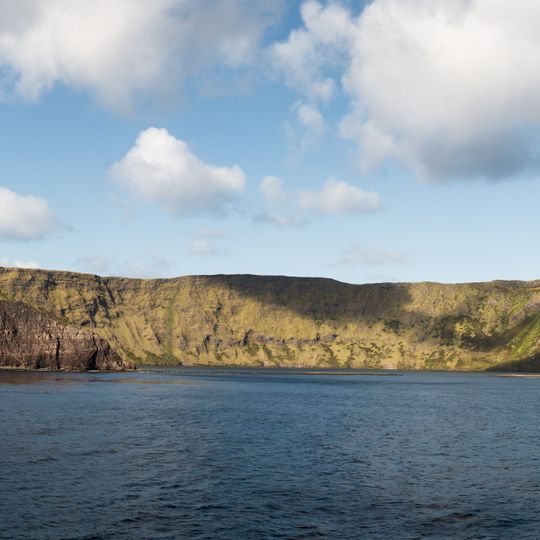
Île Saint-Paul is a volcanic island in the southern Indian Ocean covering roughly 7 square kilometers with steep cliffs along its eastern edge. An interior basin holds thermal springs, while the volcanic crater opens directly toward the ocean.
Portuguese sailors discovered the island in 1559 and mapped it for navigation purposes. French scientists later conducted observations there during the 19th century that deepened understanding of the place.
The island gained recognition through French scientific expeditions that observed and studied its natural features on site. Today the thermal springs remain a tangible link between this place and humanity's interest in understanding Earth's workings.
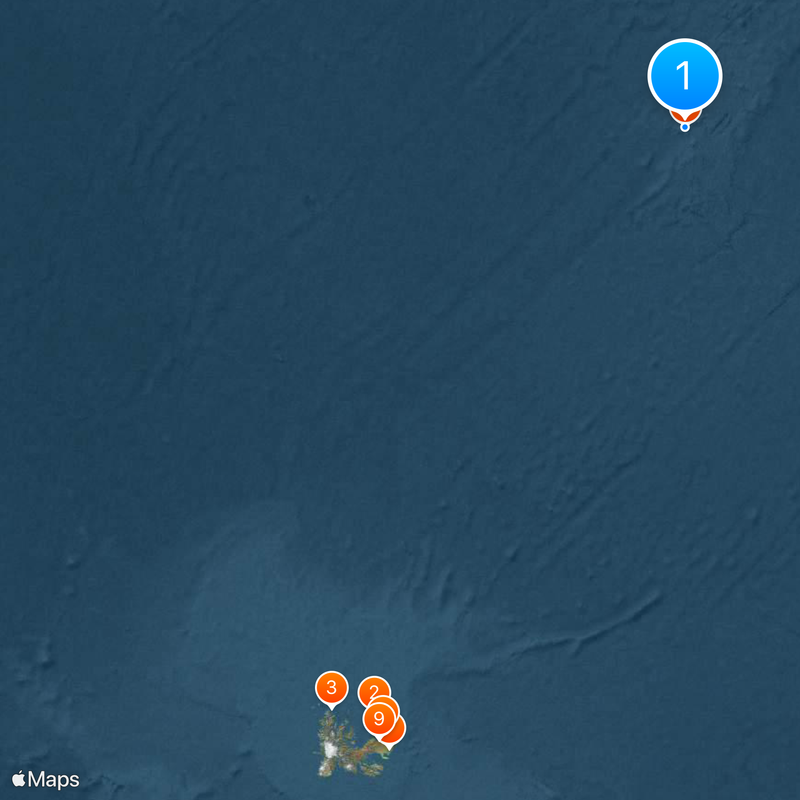
Access is restricted to authorized personnel because research facilities operate there for scientific missions. Island administration is based in Réunion, so visitors need special permission beforehand.
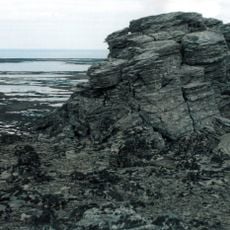
The island's interior features natural thermal springs where water reaches temperatures above 80 degrees Celsius (176 degrees Fahrenheit). This geothermal activity makes the place a rare natural laboratory for studying volcanic processes.
The community of curious travelers
AroundUs brings together thousands of curated places, local tips, and hidden gems, enriched daily by 92,554 contributors worldwide.