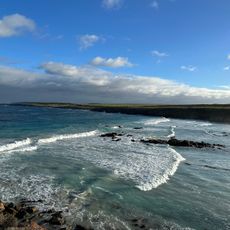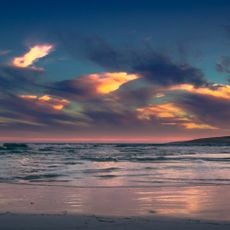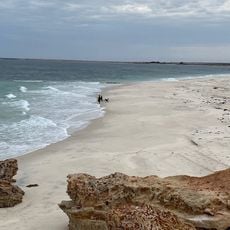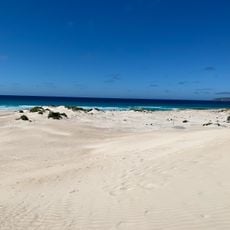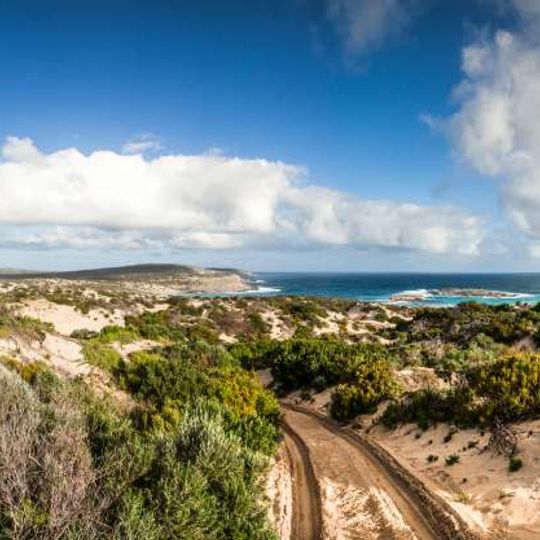
Lincoln National Park, Nature reserve on Jussieu Peninsula, South Australia.
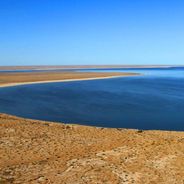
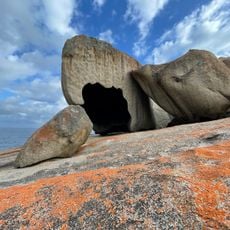
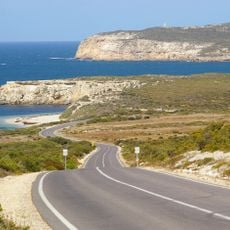
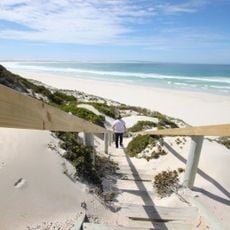
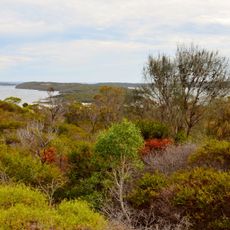
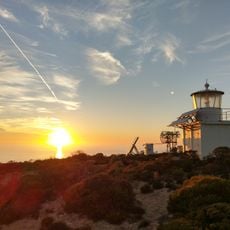
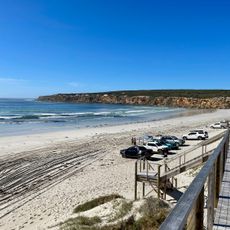
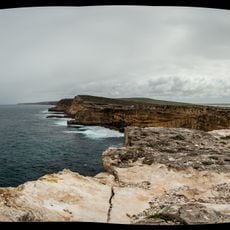
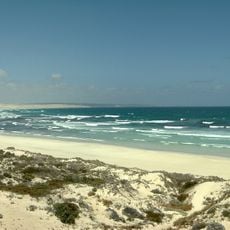
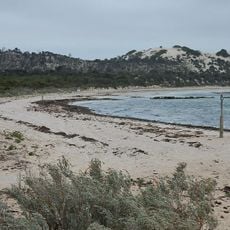
Lincoln National Park spans about 31,500 hectares of mallee eucalypts, coastal heath, and drooping sheoak woodlands along the Thorny Passage Marine Park coastline. The land shows diverse vegetation types and landscape features that shift as you move between different sections of the reserve.
Land in the Hundred of Flinders was dedicated as a Flora and Fauna Reserve on 28 August 1941. On 9 November 1967 it was proclaimed Lincoln National Park under the National Parks Act 1966, and on 27 April 1972 it was reconstituted under the National Parks and Wildlife Act 1972. Between 1972 and 1992 Stamford Hill, Cape Donington, Wanna and many offshore islands were added.
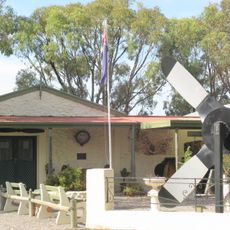
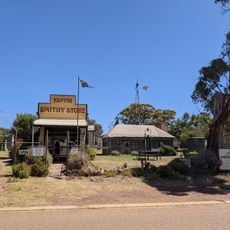
The Barngarla and Nauo were the first people in the region, and archaeological digs across the park have found stone-working sites, fish traps and middens. The Investigator Trail passes sites held sacred by Aboriginal people. The park also keeps relics of early European settlement, such as Donington cottage, which still stands and is open to the public.
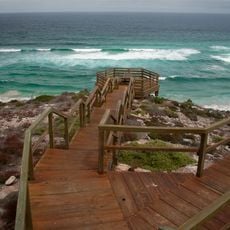
The park has 19 walking trails of varying difficulty and multiple campgrounds with different facilities. Come prepared for changing weather and wear sturdy shoes, especially for the coastal paths.
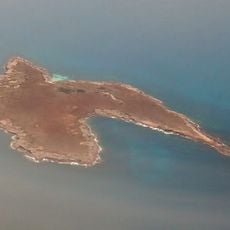
Matthew Flinders named Cape Catastrophe and its offshore islands after eight crewmen who drowned there in 1802, when a boat sent to find fresh water was lost. The islands carry their names: Thistle, Taylor, Smith, Little, Grindal, Hopkins, Williams and Lewis.
The community of curious travelers
AroundUs brings together thousands of curated places, local tips, and hidden gems, enriched daily by 93,388 contributors worldwide.