Ujung Kulon National Park, National park in western Java, Indonesia
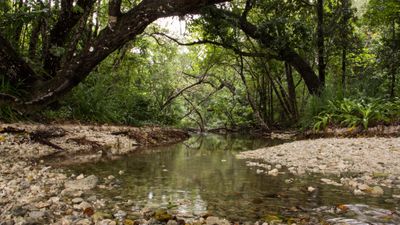
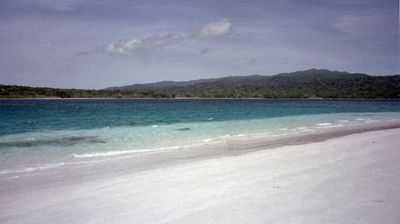
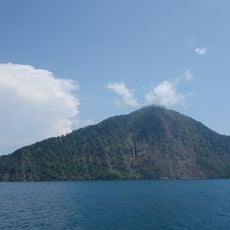
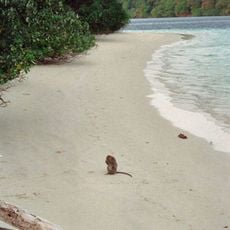
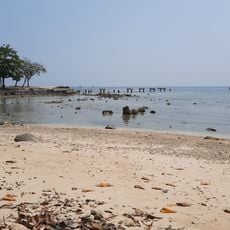
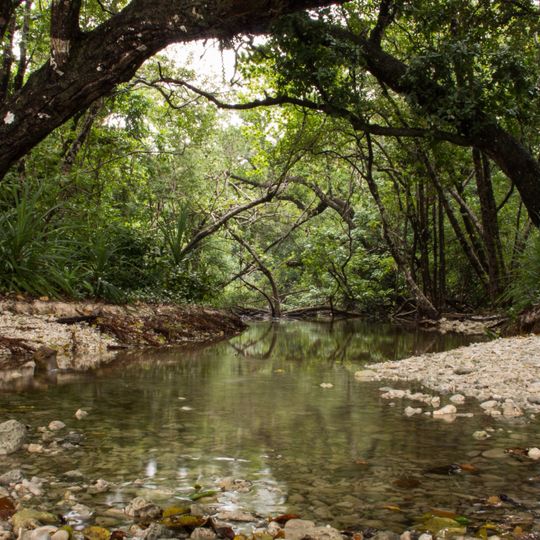
Ujung Kulon National Park is a protected area at the southwestern tip of Java in Indonesia, combining tropical rainforests, mangrove swamps, coral reefs, and open grasslands. The landscape shifts between dense jungle, flat coastal stretches, and small offshore islands that together form a wide mosaic of different habitats.
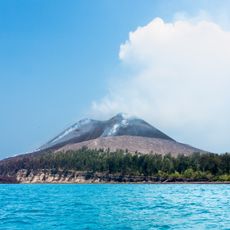
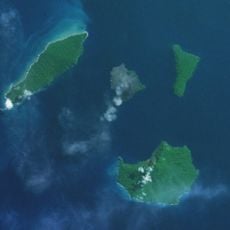
Franz Wilhelm Junghuhn explored the peninsula in 1846, and the Krakatoa eruption of 27 August 1883 destroyed its settlements and left a layer of ash about 30 cm deep. Pulau Panaitan became a nature reserve in 1921, the area was declared a national park in 1992, and UNESCO World Heritage status came in 1991.
The park name refers to the western tip of Java, where fishing villages and farming families have lived alongside protected zones for generations. Visitors sometimes see traditional wooden boats that still move along the coast, offering a window into the maritime traditions of the region.
All tours require certified guides, as the terrain is densely vegetated and unmarked. Boats from Labuan bring travelers to the peninsula, while multi-day treks demand sturdy gear and enough drinking water.
In the 1980s the Javan rhino population here was estimated at 40–60 animals. Camera and video traps recorded 14 rhino births between 2001 and 2010, and recordings from February to October 2011 identified 35 individuals: 22 males and 13 females. Each rhino can be told apart by the skin wrinkles around its eyes.
The community of curious travelers
AroundUs brings together thousands of curated places, local tips, and hidden gems, enriched daily by 94,518 contributors worldwide.