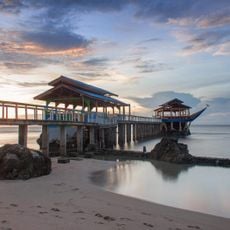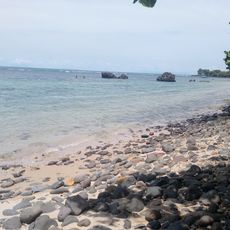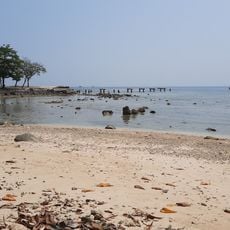
Krakatoa, Volcanic caldera in the Sunda Strait, Lampung, Indonesia
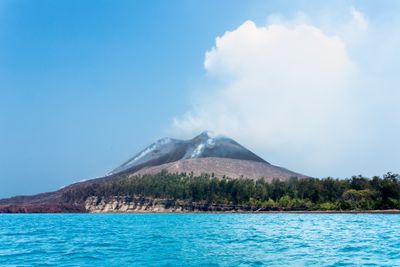
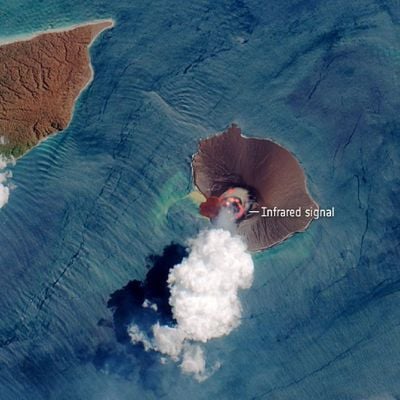
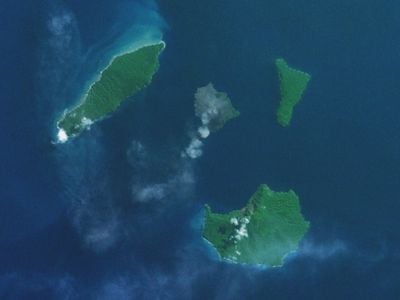
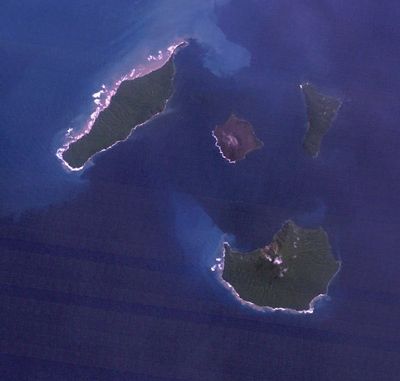
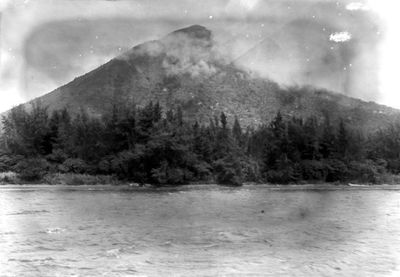
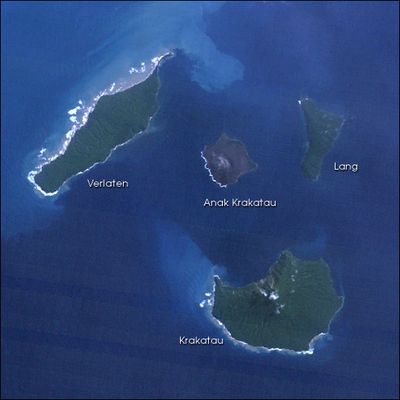
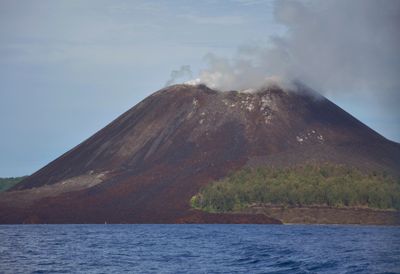
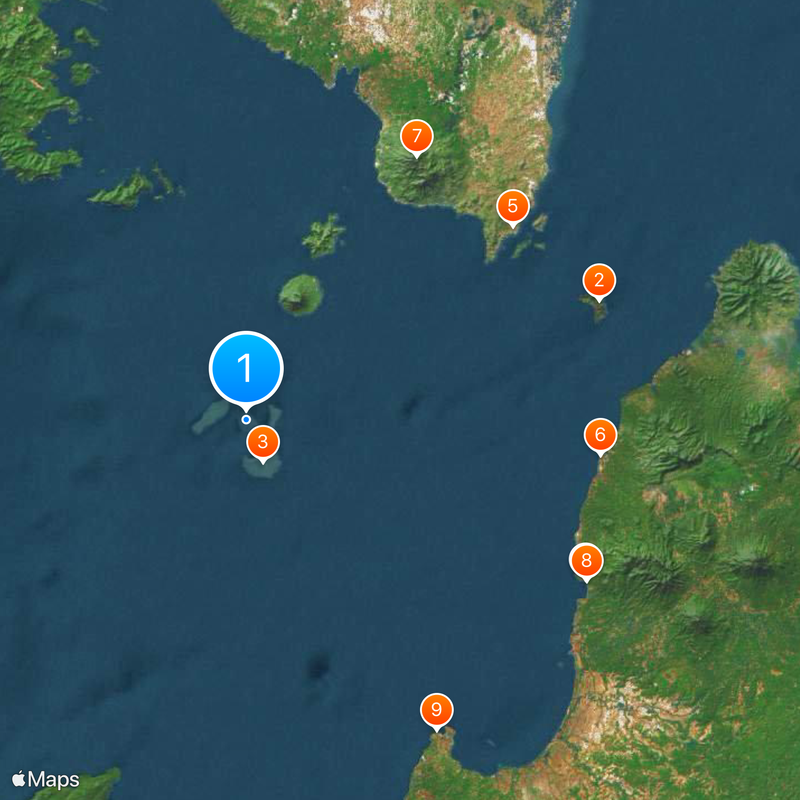
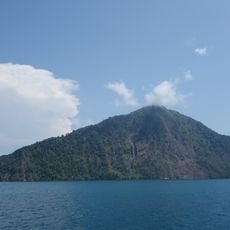
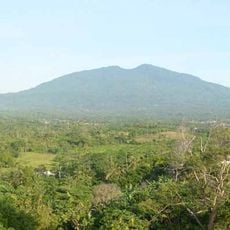
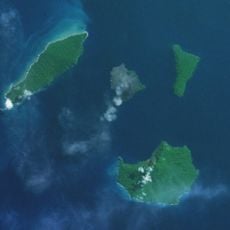
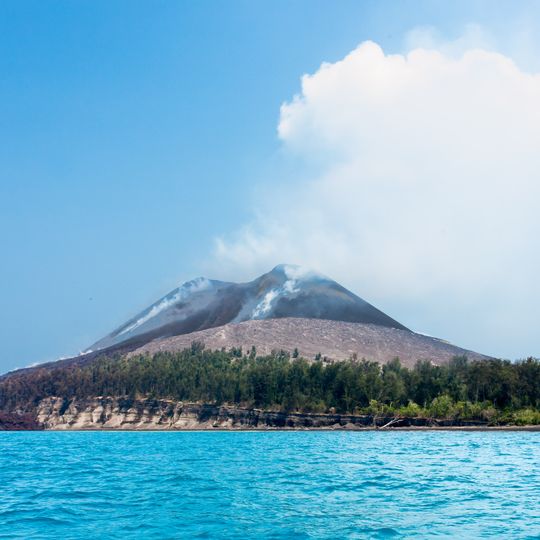
Krakatoa is a caldera between Java and Sumatra containing four separate landmasses in the waters of the Sunda Strait. The active peak Anak Krakatau rises from the center and shows regular volcanic activity with smoke plumes and occasional lava flows.
The 1883 eruption destroyed two thirds of the original island and killed more than 36,000 people through tsunamis. Since 1927, Anak Krakatau has grown from the sunken crater and now reaches a height of several hundred meters.
The name Krakatau probably comes from Sanskrit karka or karkaṭaka, "crab", and the Old Sundanese text Bujangga Manik (late 15th century) calls it "the island of Rakata, a mountain in the middle of the sea". Lucas Janszoon Waghenaer's 1611 map labels it "Pulo Carcata", and Wouter Schouten wrote the spelling Krakatau in 1658. The Smithsonian's Global Volcanism Program treats Krakatau as the correct name.
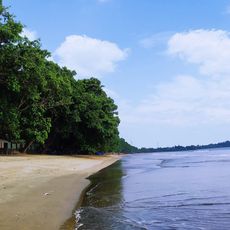
Visits require permission and are only allowed during low volcanic alert levels, with landings possible depending on current activity. Most travelers approach by boat from the Sumatra coast and keep to safe observation distances.
The 1883 explosion created pressure waves that traveled around the earth seven times and were registered by barometers worldwide. Dust from the eruption stayed in the atmosphere for years and caused noticeable sunsets in Europe and North America.
The community of curious travelers
AroundUs brings together thousands of curated places, local tips, and hidden gems, enriched daily by 92,147 contributors worldwide.