Kow Swamp Archaeological Site, Archaeological site in northern Victoria, Australia
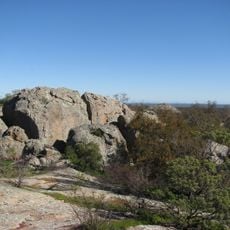
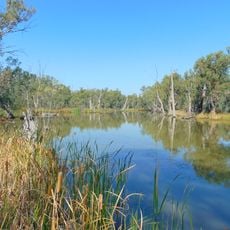
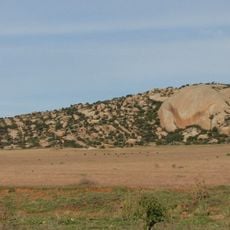
Kow Swamp Archaeological Site is an ancient burial ground in northern Victoria with remains found in sandy deposits on the eastern edge of what was once a large lake. The location now serves as a permanent water reservoir used for irrigation, though the archaeological features remain visible in the landscape where people can walk and explore.
This location served as a burial ground for Aboriginal people over many thousands of years, with the oldest known graves dating back approximately 22,000 years. Archaeological excavations conducted in the late 1960s and early 1970s uncovered skeletal remains of more than 20 individuals, significantly advancing understanding of early human burial practices in the region.
The name comes from the Yorta Yorta word 'ghow', meaning white gypsum soil, reflecting the landscape that gave the place its identity. Visitors can observe traces of past Aboriginal activities like marked trees and shell middens scattered across the site, revealing how people lived and gathered resources here over thousands of years.
The site is easily accessible on foot and open for exploration, though sturdy footwear is recommended as the ground is uneven in places. The cooler months are the best time to visit when the sun is less intense and you can comfortably examine the archaeological details without excessive heat.
Initial analysis of recovered skulls sparked speculation about connections to Homo erectus, but further research revealed that the observed features were actually the result of intentional cranial modification practices. This discovery fundamentally changed how researchers understood the burial customs and cultural practices of Australia's earliest inhabitants.
The community of curious travelers
AroundUs brings together thousands of curated places, local tips, and hidden gems, enriched daily by 90,793 contributors worldwide.