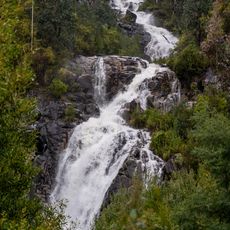
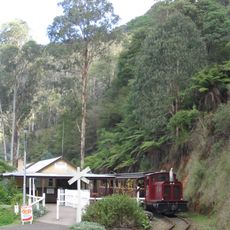
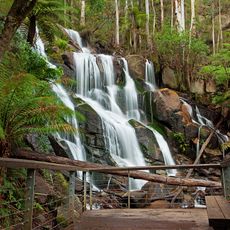
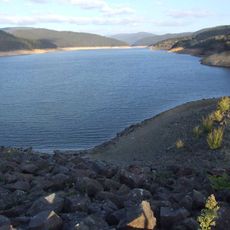
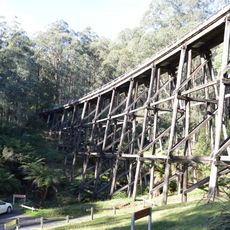
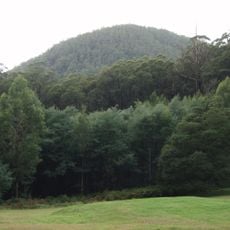
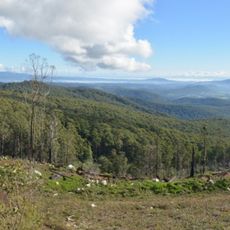
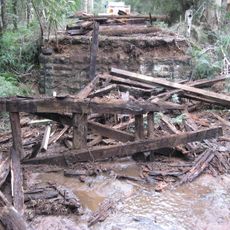
Baw Baw National Park, Nature reserve in Gippsland, Victoria, Australia.
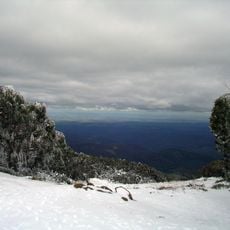
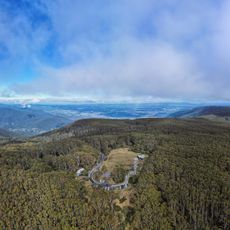
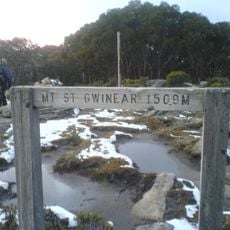
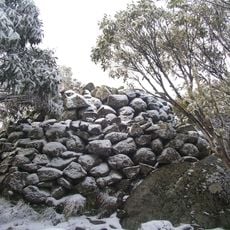
Baw Baw National Park is a 13,530-hectare national park on the boundary between the Victorian Alps and Gippsland, about 120 km east of Melbourne. It contains the forested Baw-Baw Plateau, with peaks including Mount St Phillack (1,566 m), Mount St Gwinear, Mount Erica and Mount Whitelaw, formed of weathered granite boulders and covered by snow gums and meadows. The park surrounds the Mount Baw Baw Alpine Resort.
The area was first scientifically explored and documented by botanist Ferdinand von Mueller in the 1860s. It became an officially protected national park in 1979 to safeguard the region's unique ecosystems.
The park's name comes from Mount Baw Baw. In the Woiwurrung language it was recorded as bo-ye, "ghost", or bo-bo, "bandicoot"; in Bunurong as Bore Bore and in Gunai as Bo Bo, both meaning "echo". The Wurundjeri of the Kulin nation are the traditional custodians of the surrounding land, while the Gunaikurnai identify the park as their traditional country.
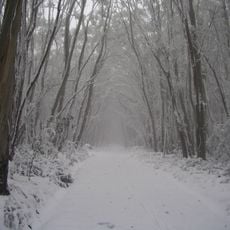
Spring through autumn offers the best walking conditions when trails are dry and accessible, while winter enables snow sports activities. Visitors should bring proper footwear and weather protection, as mountain conditions can change quickly.
The Baw Baw berry (Wittsteinia vacciniacea), a red and yellow-flowered species, is the only Wittsteinia in Australia and one of four genera in the Alseuosmiaceae family. The critically endangered Baw Baw frog is now limited to a small range on the Mount Baw Baw Plateau. Leadbeater's possum, Victoria's state fauna emblem, lives in the foothills.
The community of curious travelers
AroundUs brings together thousands of curated places, local tips, and hidden gems, enriched daily by 95,406 contributors worldwide.