Upper Yarra Reservoir, lake in Australia
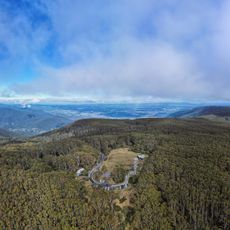
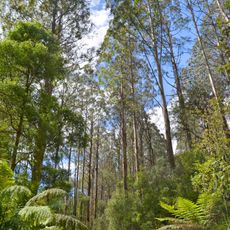
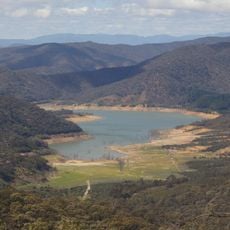
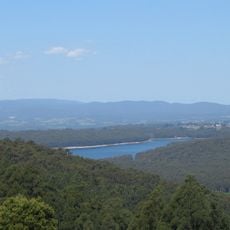
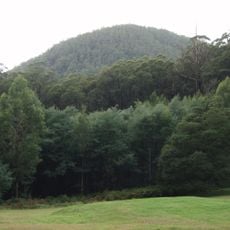
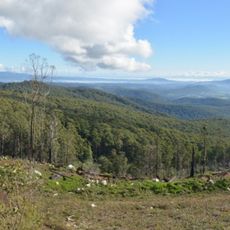
Upper Yarra Reservoir is a large water storage facility near Warburton in Victoria, supplying Melbourne and the Yarra Valley with drinking water. The dam is made of earth and rock, stands around 90 meters (295 feet) high, and sits within a forested catchment area that feeds it with runoff from the surrounding hills.
Planning for a dam on the upper Yarra began in the 1930s to control floods; approval came in the early 1940s, but World War II delayed construction until 1948. The earth and rockfill embankment, 90 m high and 610 m long, was completed in 1957, tripling Melbourne's total storage to nearly 300,000 megalitres. American engineer John L. Savage consulted on the project under chief engineer Albert Francis Ronalds.
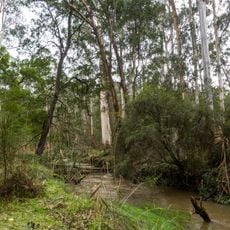
The reservoir lies within the Upper Yarra catchment, permanently reserved for water supply since 1928 and closed as a protected drinking-water area since 1988. The dam is the last point on the Yarra visible to the public; general access to the river and its banks begins only downstream at Warburton.
The dam wall and reservoir are closed to the public; the catchment has been a protected water supply area since 1988. The first publicly accessible point along the Yarra downstream is at Warburton, where the river and its forested banks can be reached. Camping and hiking are permitted in the adjacent Upper Yarra Reservoir Park, managed by Parks Victoria.
The dam is the furthest point upstream where the Yarra can be seen by the public, but the wall itself is closed except to authorised staff. Since 1988 the whole upper catchment has been classified as a protected drinking-water area and closed off. The first town the river passes below the dam is Reefton, though the river and its banks only become generally accessible at Warburton.
The community of curious travelers
AroundUs brings together thousands of curated places, local tips, and hidden gems, enriched daily by 93,378 contributors worldwide.