Reconciliation Place, Sculpture garden in Parliamentary Triangle, Canberra, Australia
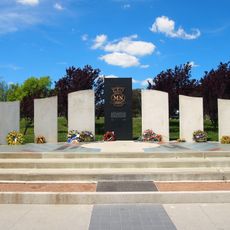
Reconciliation Place is a sculpture garden built on a raised mound within the Parliamentary Triangle area, featuring art installations along a promenade. The site displays works across different mediums that convey themes through text and imagery spread throughout the grounds.
Reconciliation Place opened in 2002 after a 2001 national design competition won by architect Simon Kringas. Sharon Payne served as Indigenous Cultural Representative, and the jury included Ngunnawal Elder Matilda House and architect Richard Leplastrier. The site was built on a budget of AU$3.5 million within four months, and artworks have been added in stages since.
The installations here present artworks addressing reconciliation between Indigenous and non-Indigenous Australians through different artistic approaches and viewpoints. Visitors can walk along an open pathway and discover how various perspectives come together on this shared space.
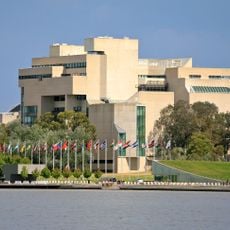
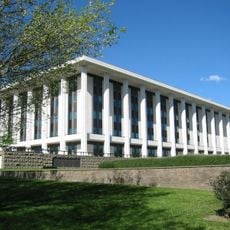
The promenade links the National Library of Australia to the High Court of Australia and the National Gallery, so it works as a through-route across the Parliamentary Triangle. The ground is grass turf on a low mound, with paths running around the apex rather than over it. It also serves as a resting point for workers and visitors in the Parliamentary Zone.
The 17 artworks were unveiled in stages: four by Prime Minister John Howard on 22 July 2002, five by minister Mal Brough on 5 July 2006, and three more on 28 May 2007, the 40th anniversary of the 1967 referendum. The Wati Jarra Jukurrpa street artwork by Paddy Japaljarri Stewart followed on 24 November 2008.
The community of curious travelers
AroundUs brings together thousands of curated places, local tips, and hidden gems, enriched daily by 94,345 contributors worldwide.