Wairarapa Moana Wetlands, Regional wetlands in Wellington Region, New Zealand.
Wairarapa Moana Wetlands is a 9,000-hectare group of lakes and wetlands in the South Wairarapa District, including Lake Wairarapa (7,800 hectares, about 2.5 metres deep), Lake Ōnoke, Ōnoke Spit and surrounding marshes. Habitats range from open water and sedgelands to lakeshore mudflats, saltmarsh and ephemeral wetlands, with raupō growing up to three metres tall.
The site was originally a vast wetland that was significantly altered by European settlers starting in the 1840s through extensive drainage projects. These works permanently shaped the landscape and reduced the natural water coverage of the area.
The name Wairarapa comes from te reo Māori and means glistening waters, reflecting the deep connection between local Māori communities and these waters. The wetlands remain an important place for traditional practices and cultural significance today.
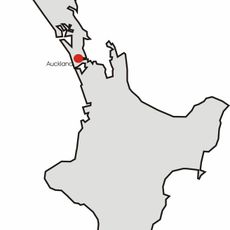
The wetlands lie at the southern end of the North Island in the South Wairarapa District, with Lake Wairarapa, Lake Ōnoke and Ōnoke Spit among the areas included. Access is managed jointly by Wellington Regional Council, the Department of Conservation, South Wairarapa District Council, Rangitāne o Wairarapa and Kahungunu ki Wairarapa. Lake Wairarapa is shallow, about 2.5 metres deep, and much of the margin is mudflat, saltmarsh and lagoon, so check conditions before setting out.
The area received international recognition under the Ramsar Convention in 2020, marking its importance for migratory birds and native species. This designation made it a globally recognized protected site of international importance.
The community of curious travelers
AroundUs brings together thousands of curated places, local tips, and hidden gems, enriched daily by 94,728 contributors worldwide.