Petone Settlers Museum, Historical museum in Lower Hutt City, New Zealand
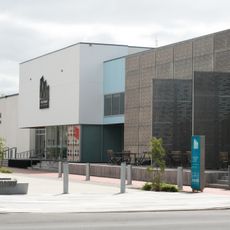
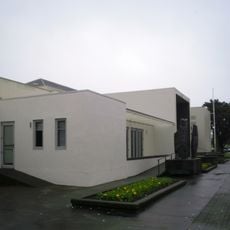
The Petone Settlers Museum is housed in a building on the foreshore at Petone and tells the story of how communities developed in the Wellington region. The exhibitions cover early settlement, daily life, and the relationships between European arrivals and the existing Māori population.
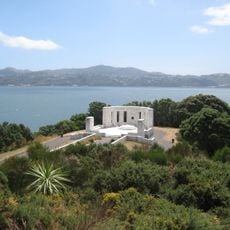
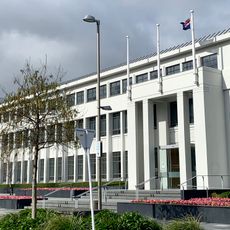
The Wellington Provincial Centennial Memorial was designed by Auckland architect Horace Lovell Massey, who won a national competition adjudicated by William Gray Young and received the NZIA Gold Medal for it. It opened on 22 January 1940, led by Prime Minister Peter Fraser and Governor-General Lord Galway. The western bathing pavilion became the Petone Settlers Museum in 1977, and the museum expanded into the eastern pavilion two years later.
The museum presents how European settlers and Te Āti Awa people established their communities along the shore and shaped daily life in the area. Visitors see how both groups used the waterfront and what this place meant to them through objects and stories on display.
The memorial stands on the Petone foreshore, at the end of the beach where the first organised British settlers were welcomed on 22 January 1840; its siting is approximate rather than exact. The building faces the street, with the sand-blasted glass window and the stone Aurora prow at its base visible from outside. The rear beach-front opening was reglazed in the 2016 refurbishment.
A stone replica of the prow of the ship Aurora adorns the building, marking the vessels that brought the first settlers to the area. This carved detail stands as an unusual artistic reminder of the region's maritime heritage.
The community of curious travelers
AroundUs brings together thousands of curated places, local tips, and hidden gems, enriched daily by 93,506 contributors worldwide.