Cape Kidnappers / Te Kauwae-a-Māui, Coastal peninsula in Hastings District, New Zealand.
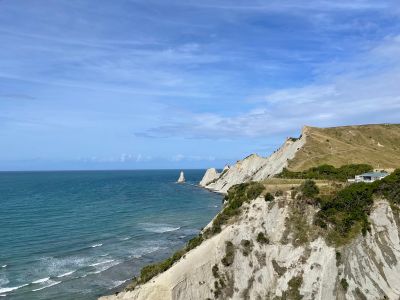
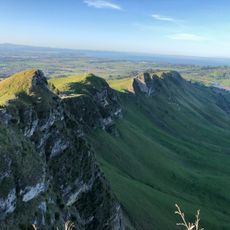
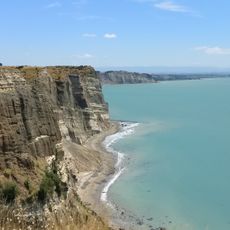
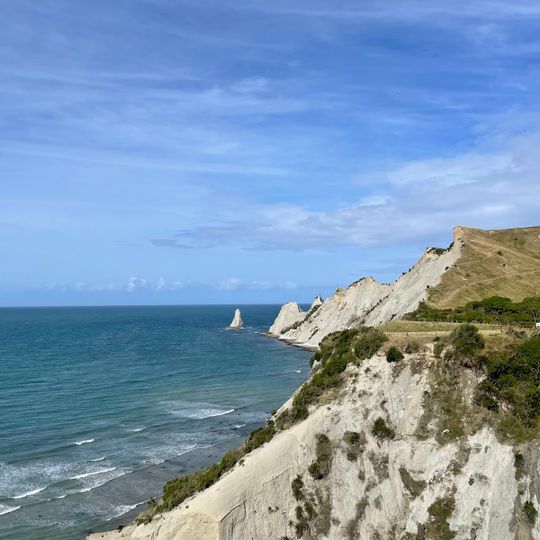
Cape Kidnappers is a coastal headland on the east coast that juts into the Pacific Ocean, featuring distinctive white sedimentary rock formations. The landscape rises sharply with elevated platforms that extend about 140 meters above the water, creating dramatic vertical cliffs.
Captain James Cook named the headland in 1769 after an encounter when local Māori traders attempted to take his Tahitian cabin boy from the Endeavour. This event became the origin of the European name that remains in use today.
The Māori name Te Kauwae-a-Māui refers to the sacred jawbone that the legendary figure Māui used when fishing up the North Island of New Zealand. This connection to creation mythology remains present in how the landscape is experienced by those visiting the cliffs and rock platforms.
Access on foot along the beach is possible but depends on tidal conditions, so checking the water level before heading out is essential. Guided tours are available for those who prefer a structured visit with a knowledgeable guide.
The headland hosts one of the world's largest mainland gannet colonies, with thousands of pairs nesting on the elevated rock platforms throughout the year. Visitors can watch these seabirds nesting, diving, and raising their young during the right season.
The community of curious travelers
AroundUs brings together thousands of curated places, local tips, and hidden gems, enriched daily by 91,877 contributors worldwide.