Waitomo Caves, Limestone cave system in Waitomo District, New Zealand.
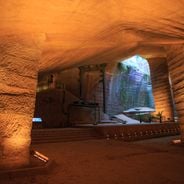
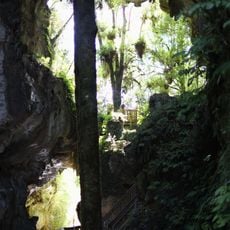
Waitomo Caves is a limestone cave system with multiple levels extending several kilometers underground. The network contains underground rivers, stalactites, stalagmites, and natural chambers that visitors can explore through different routes.
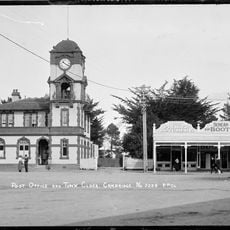
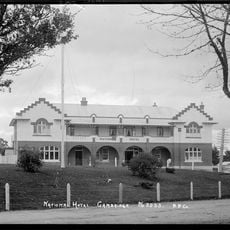
In 1887 Tane Tinorau, who lived nearby and knew the cave entrance as a good eel-catching spot, was one of the first two explorers of the Waitomo Glowworm Cave. The Crown nationalised the cave in 1904 and ran it as a tourist attraction from 1905. Visitors then reached it by rail to Hangatiki and six miles of coach road; a government hotel followed in 1909.
The name Waitomo comes from Māori wai (water) and tomo (a doline or sinkhole), meaning "water passing through a hole". Ruakuri means "cave of the dogs", after a pack of wild dogs said to have lived in it. The Glowworm Cave was nationalised by the Crown in 1904 and run as a tourist attraction from 1905.
Visitors can choose between three main caves - Glowworm, Ruakuri, and Aranui - each with different tour durations and geological features. Most guided tours accommodate various fitness levels and allow visitors to explore the cave interiors on foot at a comfortable pace.
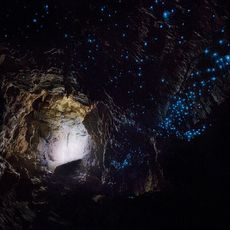
The blue-green light of the glowworms comes from luciferin acted on by the enzyme luciferase. Each larva hangs sticky silk threads from the ceiling to snare insects drawn to the glow, then hauls the thread in with its catch. The species is the fungus gnat Arachnocampa luminosa, not a true firefly.
The community of curious travelers
AroundUs brings together thousands of curated places, local tips, and hidden gems, enriched daily by 93,477 contributors worldwide.