Mangemangeroa Creek, Tidal brook in East Auckland, New Zealand
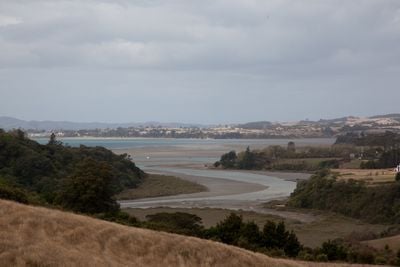
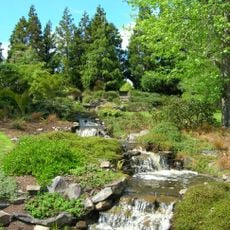
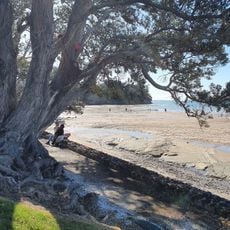
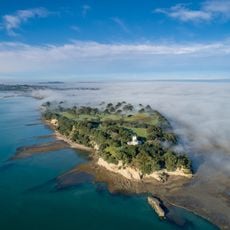
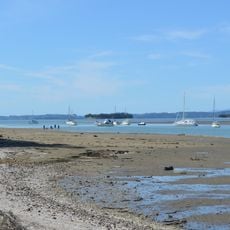
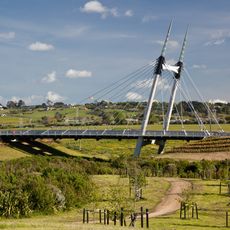
Mangemangeroa Creek is a drowned-valley stream that begins east of Mission Heights and flows north into the Waitematā Harbour, where it becomes a tidal estuary. Its banks hold native forest with tōtara, nīkau, karaka and pūriri, while much of the surrounding land is farmland. The creek forms the border between the Howick and Franklin local board areas.
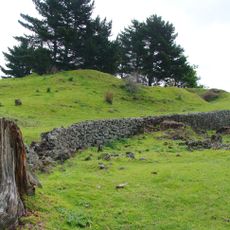
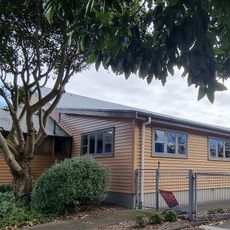
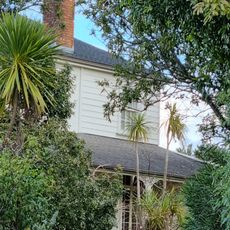
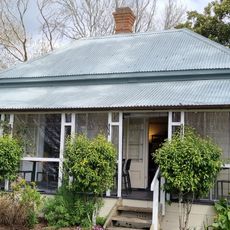
Mangemangeroa was visited by the Tainui migratory waka, and Ngāi Tai settled the valley for its seafood, including spiny dogfish (pioke). Their pā sites, middens and fish traps remain; some traps were still visible in the 1980s. The last Ngāi Tai inhabitants left in the 1870s, after European farmers such as the McAuley and Somerville families arrived.
Mangemangeroa means "The Long Valley of the Mangemange Vine", referring to Lygodium articulatum, which Ngāi Tai used to make fishing nets and ropes and in burial practices; the plant is now rare there. The name was spelled Mungaroa and Maungamaungaroa in the 19th century and made official in 1991 after consultation with the Ngāi Tai Trust Board.
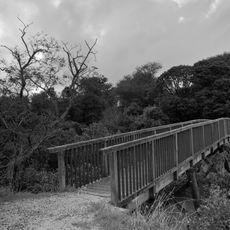
A walking track follows the northern and western banks of the creek between Shelly Park and the Mangemangeroa Reserve. The reserve, purchased by Manukau City Council in 1994 at the request of Forest & Bird, opened on 25 November 2000.
During World War II, the home guard dug defensive trenches along the creek to prepare for a possible invasion, taking advantage of its strategic location. Traces of this wartime engineering remain visible in certain spots along the banks today.
The community of curious travelers
AroundUs brings together thousands of curated places, local tips, and hidden gems, enriched daily by 93,498 contributors worldwide.