Tamaki River, Estuary in Ōtara-Papatoetoe, Auckland, New Zealand
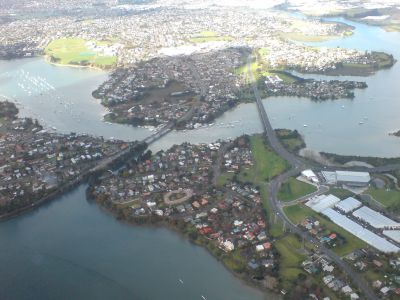
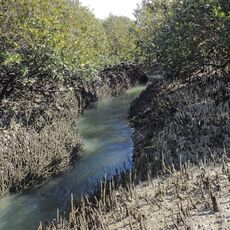
The Tamaki River flows through the Ōtara-Papatoetoe area, linking urban spaces with natural surroundings across Auckland. The waterway is fed by several tributaries, including creeks and a basin set within a volcanic crater.
In the 1800s, the river became a key route for moving farm goods, especially cattle, into Auckland and shaped the area's growth. This role as a transport route influenced how the surrounding region developed.
The river was originally called Te Wai o Taiki, 'The Waters of Taiki', after Taikehu, an ancestor of Ngāi Tai. Māori beached their waka at three portages here, including Te Tō Waka at Ōtāhuhu, the shortest crossing between the east and west coasts, and dragged them overland to avoid paddling around North Cape.
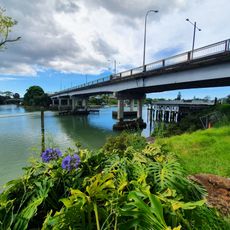
Only three bridges cross the estuary, so road traffic is heavy at peak times. The channel is marked with large green buoys and averages 20 metres deep but is narrow in places; the speed limit is 10 km/h. Vessels drawing more than 4 metres should not attempt the opening between Musick Point and Browns Island, where port and starboard markers stand about 20 metres apart.
In 1925 a leopard that had escaped from Auckland Zoo three weeks earlier was found dead in the Tāmaki River by a fishing party at Karaka Bay. The estuary's mouth was used in the 1890s as an anchorage for explosives ships; after one caught fire and exploded with loss of life, the buoy was moved east of Browns Island, where it remains.
The community of curious travelers
AroundUs brings together thousands of curated places, local tips, and hidden gems, enriched daily by 94,771 contributors worldwide.