Mercury Islands, Island group northeast of Whitianga, New Zealand
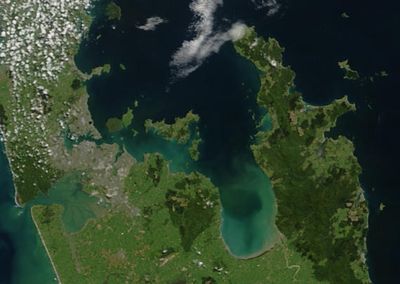
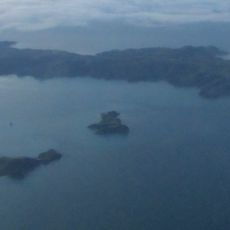
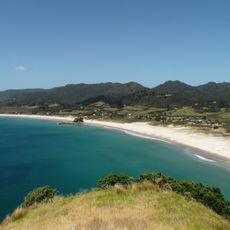
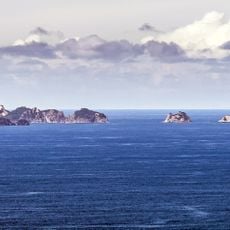
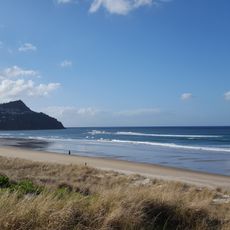
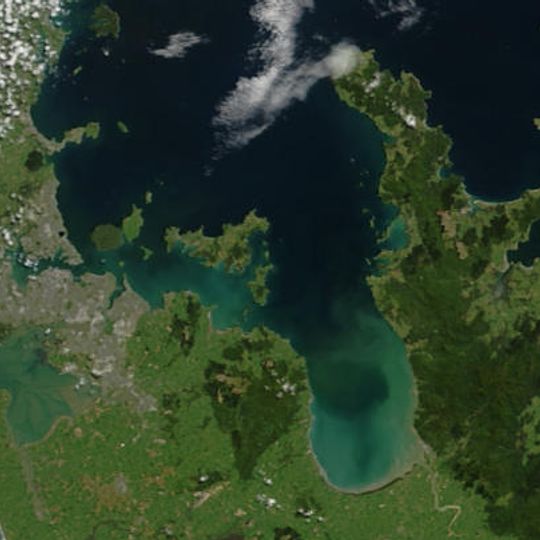
The Mercury Islands are an island group off the northeastern coast of New Zealand's North Island, sitting northeast of Whitianga in the Waikato Region. The group consists of seven landmasses, the largest being Great Mercury Island, alongside Red Mercury Island, Korapuki, Green Island, Middle Island, Stanley Island, and Double Island.
Around 18,000 years ago, at the height of the last ice age, these landmasses were still connected to the New Zealand mainland because sea levels were much lower than today. As the oceans rose over thousands of years, the connection was severed and the islands took on their present form.
Great Mercury Island carries deep Maori heritage through visible archaeological remains of ancient pa fortification sites and settlement patterns across its landscape. These visible traces show how significant this place was to early inhabitants.
Great Mercury Island is open to visitors who follow the guidelines in place and treat the environment with care. The other six islands are protected nature reserves and are closed to the public to safeguard the wildlife living there.
The islands are home to the Mercury Islands tusked weta, a rare insect found nowhere else on Earth, making this group one of its last refuges. Several of the islands also host thousands of breeding pairs of Pycroft's petrel, a seabird that depends on these rocky outcrops to raise its young each season.
The community of curious travelers
AroundUs brings together thousands of curated places, local tips, and hidden gems, enriched daily by 60,000 contributors worldwide.