Wallaroo, town in South Australia
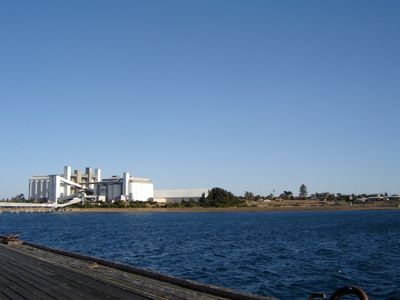
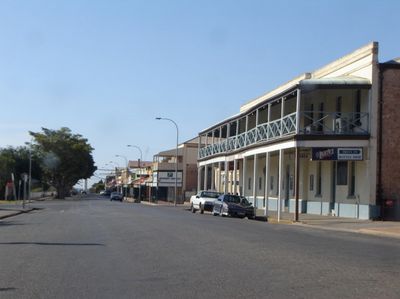
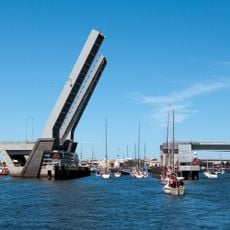
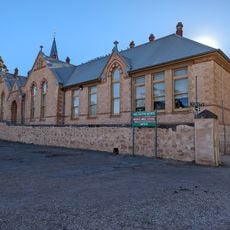
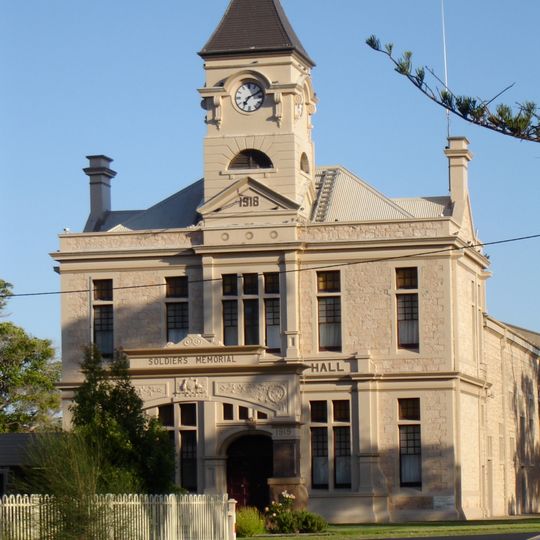
Wallaroo is a port town on the western shore of Yorke Peninsula in South Australia. It sits close to the water and combines a deep-water harbour, flat sandy beaches, and a row of stone buildings along its main streets.
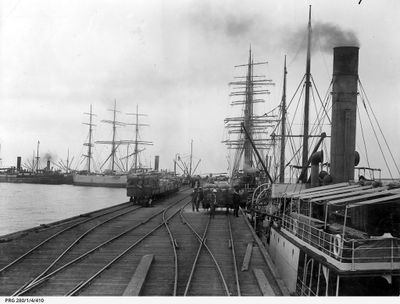
The British explorer Matthew Flinders mapped this coastline in 1802, and European settlers began arriving in the area from the 1850s onward. The construction of a copper smelter soon turned the town into one of the main export points for the region's mining output.
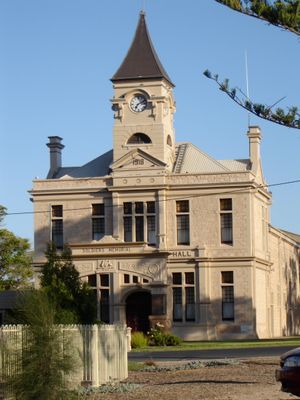
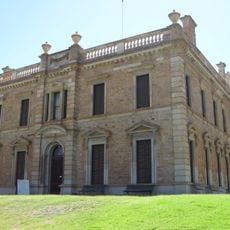
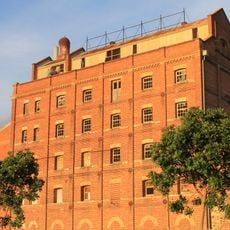
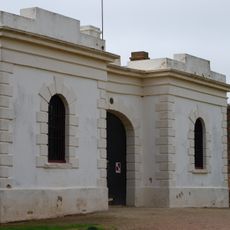
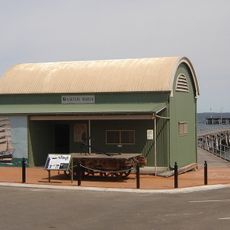
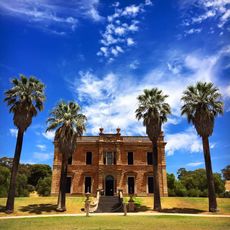
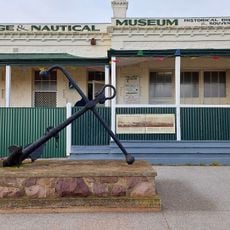
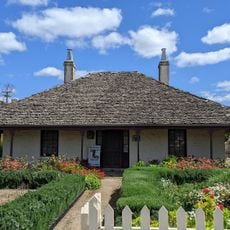
The name Wallaroo comes from an Aboriginal language and is thought to mean "place of the wallaby". Near the old port, warehouses and buildings from the mining era are still standing and give the town much of its visible character today.
The town centre is easy to walk around, and parking is straightforward near the beaches and the harbour. For reaching other beaches and spots around the wider Yorke Peninsula, having a car makes the trip more convenient.
The Kernewek Lowender Festival, held every two years across Wallaroo and its neighbouring towns, is one of the largest Cornish festivals outside the United Kingdom. It marks the fact that many of the early miners came from Cornwall and brought their language, recipes, and traditions with them.
The community of curious travelers
AroundUs brings together thousands of curated places, local tips, and hidden gems, enriched daily by 92,748 contributors worldwide.