Cliefden Caves, Limestone caves in New South Wales, Australia
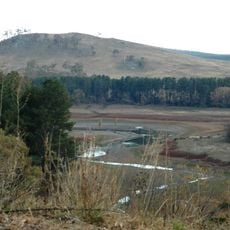
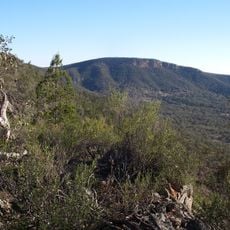
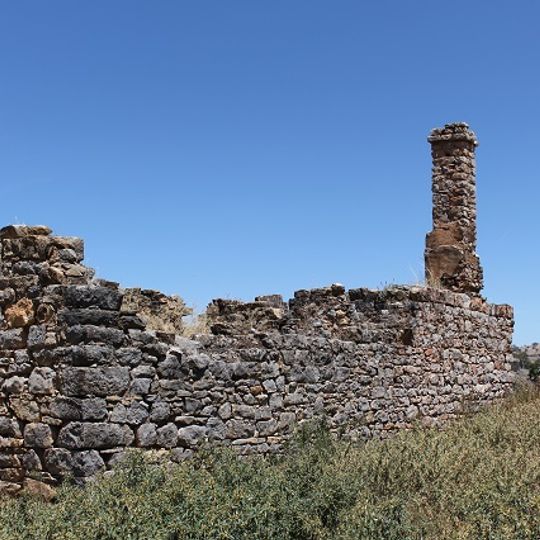
Cliefden Caves is a heritage-listed geoheritage site at Mandurama in the Central West of New South Wales, comprising Ordovician fossil localities, limestone caves, a spring and tufa dams. The caves lie in the Belubula River valley between Carcoar and Canowindra, where the limestone outcrop at the junction of Limestone Creek and the Belubula River was first discovered in 1815.
Surveyor George Evans first documented this limestone system in 1815, marking the initial recorded discovery of such formations on mainland Australia. His observations established the foundation for scientific study of these caves.
The Wiradjuri language group lived in the Lachlan River Valley, including the Cliefden area on the Belubula River. Camp sites and several scarred trees near the caves show this, and skeletal remains found in the caves document occupation from at least 6,000 years ago. The name Cliefden comes from the Rothery family's 1832 land grants at Cliefden Springs and Cliefden.
The caves lie in the Belubula River valley between Carcoar and Canowindra, reached via Mandurama. Main Cave was gated in 1958, and the Orange Speleological Society coordinates access and advises owners on protection, so visits must be arranged with the society beforehand. River flats and hillsides around the entrances are private farmland.
The Cliefden Caves Limestone Group and the overlying Malongulli Formation have yielded more than 180 recorded species, and the sites include the type localities for over 100 species. The limestone was the first of Ordovician age recorded in New South Wales, identified by Stevens in the 1950s.
The community of curious travelers
AroundUs brings together thousands of curated places, local tips, and hidden gems, enriched daily by 94,375 contributors worldwide.