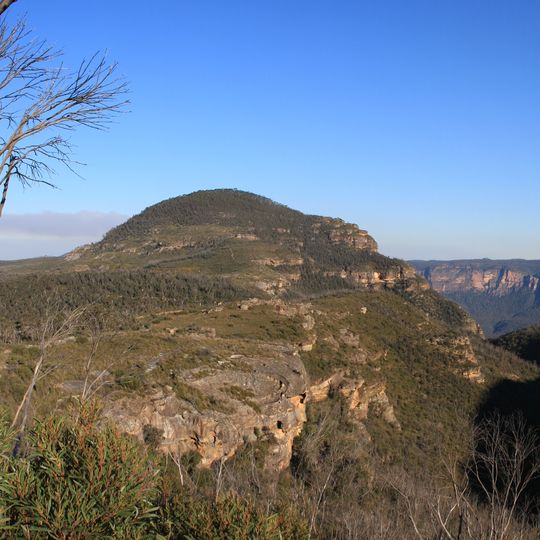
Mount Banks, Mountain summit in Blue Mountains National Park, Australia
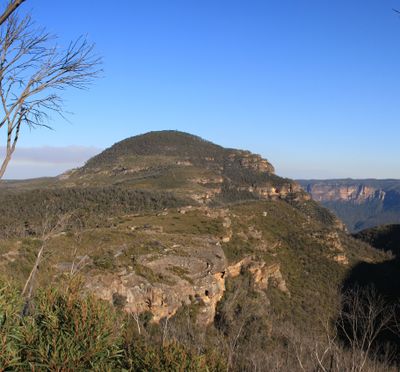
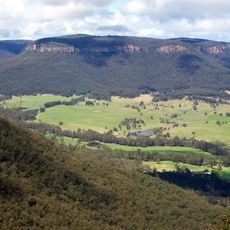
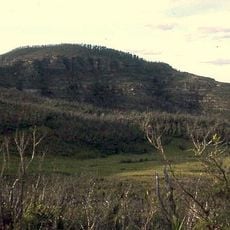
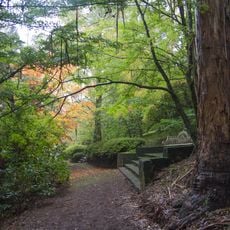
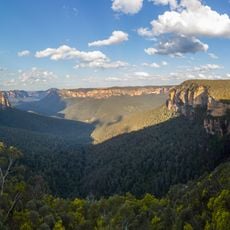
Mount Banks is a summit in Blue Mountains National Park that rises to 1,049 meters and overlooks the Grose Wilderness below. The peak is surrounded by tall eucalyptus forests that give the landscape its distinctive wooded character.
George Caley, who had worked for botanist Joseph Banks, named the mountain in 1804 and was the first European to reach it. It is also known as Mount King George. The summit holds a trigonometric station at 1,062 metres, and a fire trail from the picnic area follows the Explorers Range past Banks Wall before ending above Zobel Gully.
The mountain's name comes from George Caley, who named it in 1804 after his employer, botanist Joseph Banks. Caley was the first European to reach the summit. The Aboriginal cultural significance of the area is not recorded in the sources.
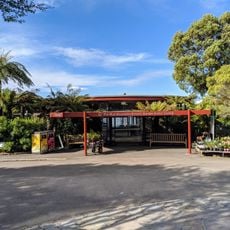
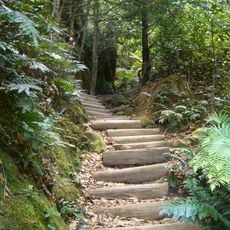
Mount Banks Road is unsealed, narrow and steep, and becomes muddy and slippery after rain, sometimes blocking even four-wheel-drive vehicles; vehicular access ends at the picnic area. From there the Summit Walk climbs about 1.2 kilometres, rated Grade 3, over many steps to the trigonometric station at 1,062 metres. There is no view at the summit, so walk to the slope edge or follow the fire trail towards Banks Wall for Grose Valley views. Camping is prohibited.
The basalt cap near the summit supports grass and a tree canopy, unlike the thin scrub on the sandstone below. From the picnic area the track climbs about 1 kilometre to a trigonometric station at 1,062 metres, and there is no view at the top unless you edge down toward the escarpment above the Grose Valley.
The community of curious travelers
AroundUs brings together thousands of curated places, local tips, and hidden gems, enriched daily by 93,609 contributors worldwide.