Experiment Farm Cottage, Colonial residence museum in Harris Park, Australia
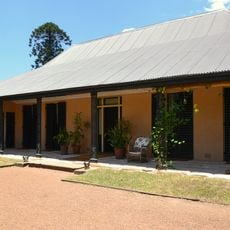
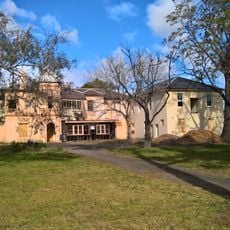
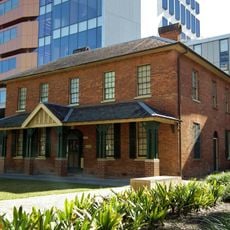
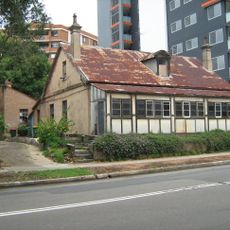
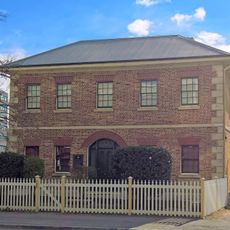
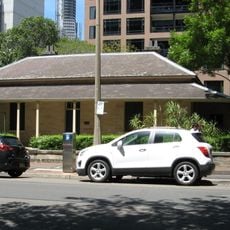
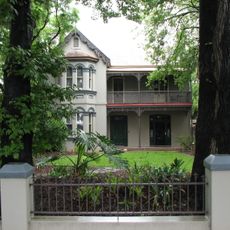
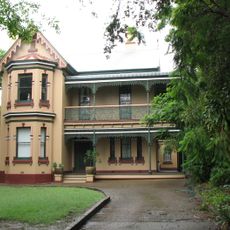
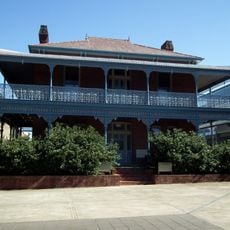
Experiment Farm Cottage is a single-storey house museum at 9 Ruse Street, Harris Park, built around 1834 on the site of Australia's first land grant. Its form follows the Indian bungalow: a pitched roof, a verandah integrated into the roof, a raised platform and shutters, with part of the verandah enclosed.
In 1789 Governor Arthur Phillip gave James Ruse 1.5 acres of cleared land at Parramatta to test how soon a settler could support himself; after 15 months Ruse was self-sufficient and received 30 more acres. In October 1793 he sold the farm to surgeon John Harris, who built the cottage that stands today. The Harris family held the property until 1921, when the land was subdivided to create Harris Park. The National Trust of Australia (NSW) bought the cottage in 1961, its first property, after a women's committee raised £4,500.
The name Experiment Farm comes from Governor Arthur Phillip's 1789 test of whether James Ruse could support himself on 1.5 acres of cleared land. Ruse succeeded within 15 months and received an extra 30 acres. The cottage later took its name from that first European farmstead.
The cottage stands at 9 Ruse Street in Harris Park, a short walk from the Parramatta River and Elizabeth Farm. The National Trust restored and furnished the interior with colonial pieces and opened it to the public; check the Trust's site for current opening days before travelling.
Experiment Farm Cottage was the first property the National Trust of Australia (NSW) acquired, bought in 1961 with £4,500 raised by its newly formed Women's Committee, which included Dame Helen Blaxland and Rachel Roxburgh. Roxburgh wrote the first guidebooks for the house, and by 1968 committee chair Cherry Jackaman had raised over $100,000 for repairs there and at Lindesay.
The community of curious travelers
AroundUs brings together thousands of curated places, local tips, and hidden gems, enriched daily by 94,410 contributors worldwide.