Bunya Mountains National Park, Nature reserve in Toowoomba Regional, Australia.
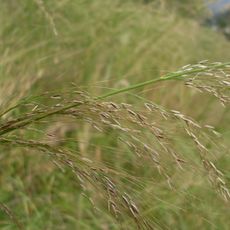
Bunya Mountains National Park protects most of the Bunya Mountains range, 63 km northeast of Dalby and 58 km southwest of Kingaroy. It contains the most westerly subtropical rainforest in southern Queensland and the world's largest remaining population of bunya pines, some up to 600 years old and 25 m high. About 100 grassy balds, natural clearings a few hectares in size, break the forest.
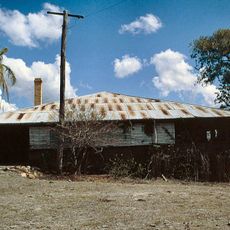
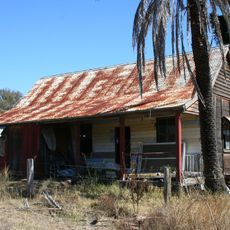
The Wakka Wakka, Jarowair and Barrumgum peoples managed these mountains for thousands of years, and core samples show fire management dating back 9,000 years. European settlers pushed Aboriginal communities out from the 1860s, when logging for red cedar, bunya pine and hoop pine began. The Bunya Sawmill opened in 1883, and 9,112 hectares were declared a national park in 1908, Queensland's second oldest. Timber was removed until about 1917; the last sawmill on the mountains closed in 1945, and the last in the area, at Wengenville, in 1961.
The mountain area held deep importance for Aboriginal peoples who gathered here for seasonal harvest festivals and shared ceremonies across generations. Today, this ancestral connection remains part of the region's identity through local stories and land use practices.
Multiple walking trails of varying difficulty levels wind through the reserve, with camping sites and mountain cabins available for overnight stays. Visitors should wear sturdy footwear and prepare for changeable mountain weather, especially during wetter months.
The park protects the largest remaining stand of bunya pines in the world, and some trees are estimated at up to 600 years old and 25 metres high. Its grassy balds, about 100 clearings, persist because Aboriginal fire management kept rainforest from colonising them; core samples show burning here 9,000 years ago.
The community of curious travelers
AroundUs brings together thousands of curated places, local tips, and hidden gems, enriched daily by 94,092 contributors worldwide.