Jimbour Dry Stone Wall, Heritage listed wall in Queensland, Australia
The Jimbour Dry Stone Wall is a long wall in Queensland, Australia, built in the 1870s without mortar using natural stones to define property boundaries. It stands today as one of the few surviving examples of this traditional building method and is protected for its historical value.
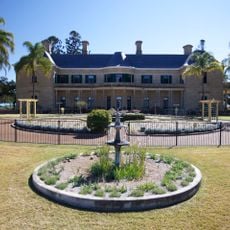
The wall was probably built in the 1870s, when Jimbour station was at its peak and Jimbour House was erected in 1874–77. Harry Ensor, Joshua Peter Bell's overseer, recalled that a log fence was first planned on Jimbour Ridge, but the abundance of stone led to a dry stone wall about 4 miles (6.4 km) long. Bullocks had to be continually shod and workmen laced greenhide to their boots on the stony ground; the gang leader was nicknamed "Stonewall Jackson".
The wall reflects European building methods that early British settlers brought to Queensland. It shows how people adapted their own construction styles to the local landscape using stone found nearby.
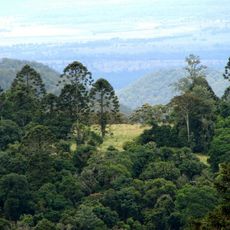
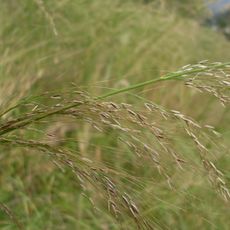
The wall runs along a stony ridge north of Jimbour Homestead, reached via Dalby-Jandowae Road in Jimbour East. The ground is rough and stony, so wear sturdy boots; the ridge grass can grow higher than a sheep. The wall is not a surveyed boundary, so follow the ridge line rather than fence markers.
The wall was built about 6.4 km long, roughly 1.5 m high, 0.76 m wide at the base and 0.46 m at the top. Workmen laced greenhide to their boots because the stony ridge wore out bullocks' hooves, and the gang leader was nicknamed "Stonewall Jackson".
The community of curious travelers
AroundUs brings together thousands of curated places, local tips, and hidden gems, enriched daily by 92,885 contributors worldwide.