Great Artesian Basin, Structural basin in Queensland, Northern Territory, South Australia, and New South Wales, Australia.
The Great Artesian Basin sits beneath more than one-sixth of the Australian landmass and extends from the Gulf of Carpentaria to the Murray-Darling Basin. Water-bearing layers of porous sandstone store rain that fell thousands of years ago and are capped by impermeable rock strata that keep the water under pressure.
The discovery of an artesian well near Bourke in 1878 sparked a boom in well drilling that made grazing possible on previously uninhabitable land. By the early 20th century, thousands of boreholes had been sunk, many flowing uncontrolled and causing pressure loss across much of the basin.
First Nations communities have relied on natural springs from the basin for thousands of years as meeting points and water sources along ancient trade routes. These springs remain central places in the traditional landscape knowledge of many Aboriginal groups and carry stories of land care and survival.
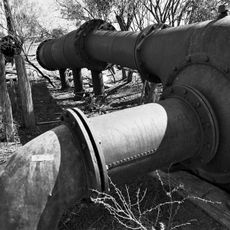
Basin water reaches the surface through natural springs and controlled boreholes, supplying remote stations and towns where other water sources are absent. Restoration programs have fitted many older boreholes with control valves to preserve pressure and reduce wasteful discharge.
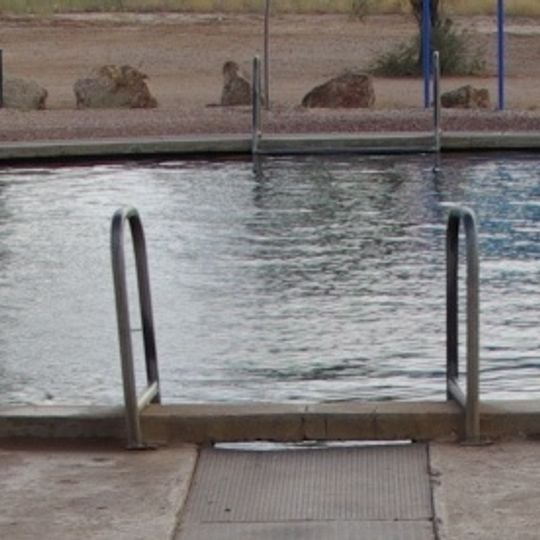
Some borehole springs create natural hot pools used by birds and other wildlife, especially during drought periods. Water stored in the basin often takes more than one million years to complete the full hydrological cycle from recharge zones to discharge points.
The community of curious travelers
AroundUs brings together thousands of curated places, local tips, and hidden gems, enriched daily by 90,996 contributors worldwide.