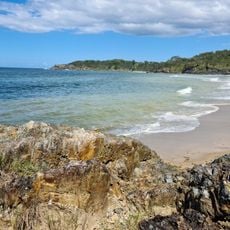
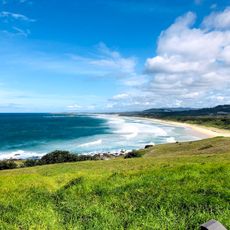
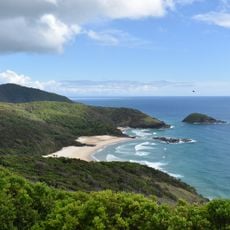
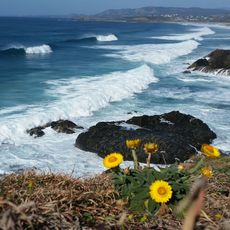
Lord Howe Island Group, Volcanic archipelago in New South Wales, Australia
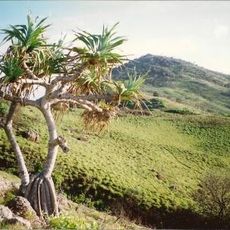
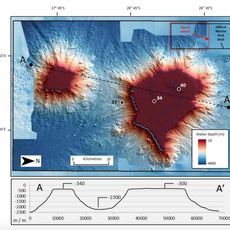
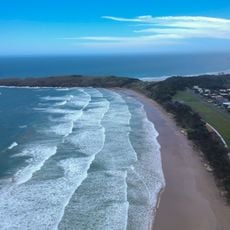
The Lord Howe Island Group is an Australian archipelago in the Tasman Sea, about 630 km east of New South Wales. Its main island, the only inhabited one, rises in two volcanic peaks, Mount Lidgbird and Mount Gower, and is bordered by a lagoon with coral islets such as Blackburn Island. Ball's Pyramid, a rock island, lies about 20 km southeast; the Admiralty Islands and Mutton Bird Island lie northeast and east.
A British naval expedition discovered the island chain in 1788 while traveling between colonial settlement locations and named it after a senior naval officer. This discovery connected the place to early European activity in the southern Pacific region.
The group is named after Richard Howe, the British fleet admiral known as "Lord Howe", for whom Henry Lidgbird Ball named the islands he sighted in 1788. Ball's name also survives in Ball's Pyramid and Mount Lidgbird on the main island. Only Lord Howe Island is inhabited today; the other islands and rocks remain uninhabited.
Access is mainly by air from major Australian cities, and arrival requires planning due to limited flight connections. Visitors should be aware that strict limits on simultaneous visitors mean advance booking is necessary for most activities.
Ball's Pyramid, 20 km southeast of the main island, is a bare rock spire where the Lord Howe Island stick insect, the world's heaviest flightless stick insect, survived on a single bush until a 2001 survey. The species had been presumed extinct since 1920. The island group also includes Mutton Bird Island, 2 km east, and Gower Island off the southern tip.
The community of curious travelers
AroundUs brings together thousands of curated places, local tips, and hidden gems, enriched daily by 94,263 contributors worldwide.