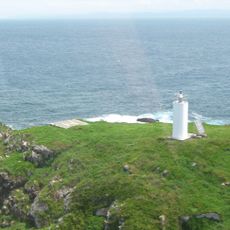
South Solitary Island Light, Maritime navigation lighthouse on South Solitary Island, New South Wales, Australia
South Solitary Island Light is a round mass-concrete tower, 12 m from ground to lantern, with walls tapering from 1.37 m at the base to 0.69 m at the top. Its gallery rests on sixteen basalt blocks of 1,500 kg each, shipped from Melbourne, and a gunmetal handrail surrounds it. Three levels of cast-iron stairs lead to the lantern room, and a stores annexe is attached to the tower.
Suggestions for a light near Coffs Harbour date to 1856, and shipmasters' preference placed it on South Solitary. Colonial Architect James Barnet visited in October 1877; cement and sand were landed in harsh conditions, stone was quarried on the island and timber came by small vessel from Bellingen. The keystone reads "18VR79", but the light was first exhibited on 18 March 1880.
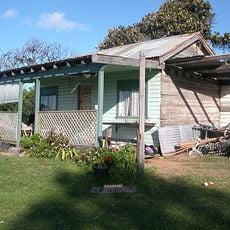
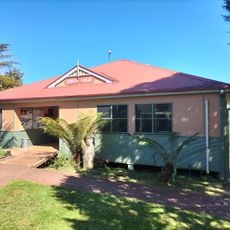
The keepers' children were first taught by a governess employed by the keepers themselves, later by correspondence; a small schoolroom stood near the residence. Supplies came by steamer from Sydney every fortnight, weather permitting, then by launch from Coffs Harbour, hoisted up the slopes in a basket by crane. A pedal radio installed in 1937 linked the station to Norah Head.
The lighthouse is reachable only by helicopter due to the island's complete isolation and lack of conventional access routes. Visits are highly restricted and require special arrangements and official permissions from the relevant maritime authorities.
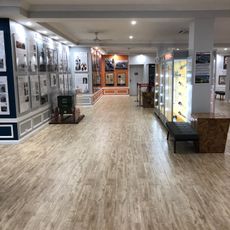
In May 1942 the light was extinguished for the only time in its history, because enemy submarines had torpedoed several vessels near the island. The original Chance Brothers first-order Fresnel lens, the second of its type used in Australia, is now displayed at the Coffs Harbour Jetty.
The community of curious travelers
AroundUs brings together thousands of curated places, local tips, and hidden gems, enriched daily by 94,414 contributors worldwide.