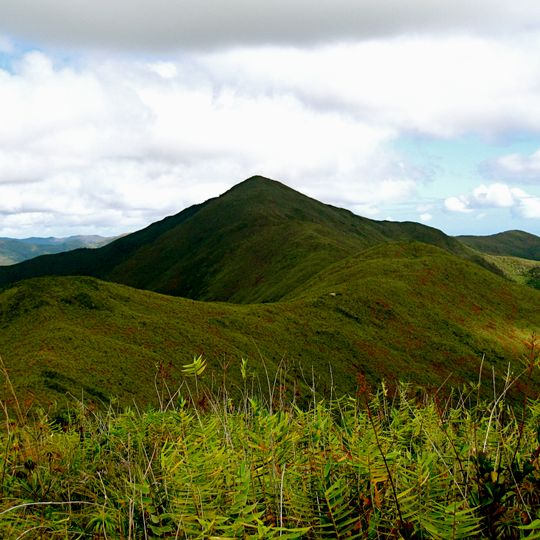
Mount Humboldt, Mountain summit in New Caledonia, France.
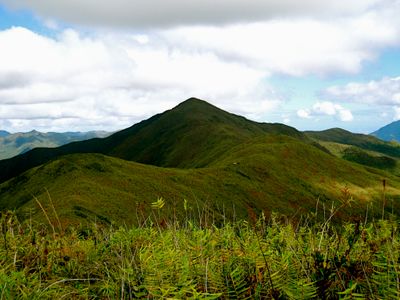
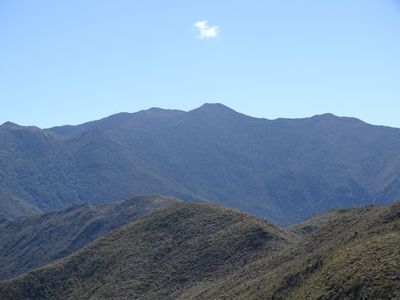
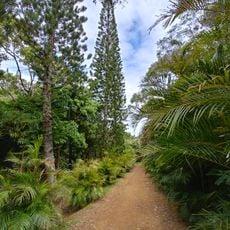
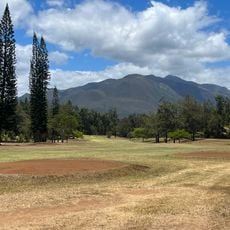
Mount Humboldt is the second highest peak in New Caledonia, rising prominently above the surrounding landscape as a major geographical feature. The summit showcases steep slopes and shifting vegetation zones that change with elevation, allowing hikers to pass through different ecological environments.
The peak was named after German naturalist Alexander von Humboldt, who conducted significant botanical research across the Pacific region during the 1800s. This naming honors his contributions to scientific exploration and the study of plant diversity in remote areas.
The mountain sits within the Réserve Spéciale Botanique du Mont Humboldt, serving as a focal point for nature conservation and ecological study across New Caledonia. Visitors can observe how the terrain is protected and witness the ongoing efforts to preserve rare plant species found here.
The main hiking trail known as Traversée du Humboldt leads to the summit, with a mountain hut positioned to the west providing shelter and rest stops. Visitors should prepare for steep terrain and be ready for varying conditions depending on the season.
The mountain hosts an unusually specialized plant community, with many species found nowhere else or only in a handful of other New Caledonian locations. This concentration of rare and local plant varieties transforms a simple hike into a botanical exploration.
The community of curious travelers
AroundUs brings together thousands of curated places, local tips, and hidden gems, enriched daily by 91,984 contributors worldwide.