Melanesia, Geographic region in southwestern Pacific Ocean
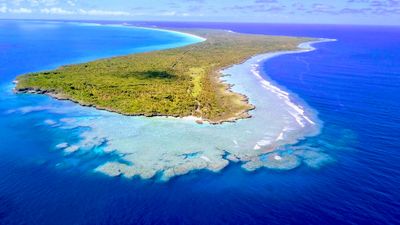
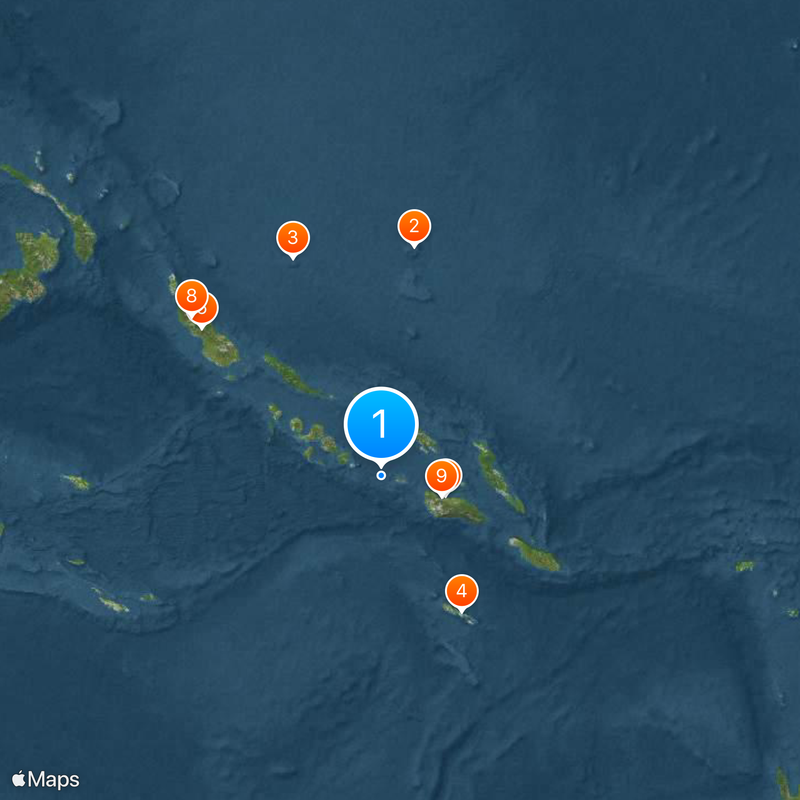
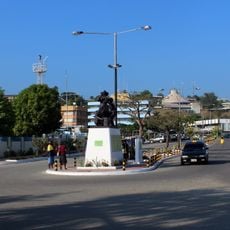
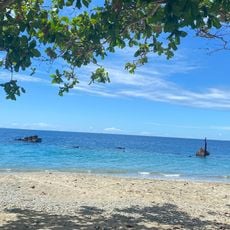
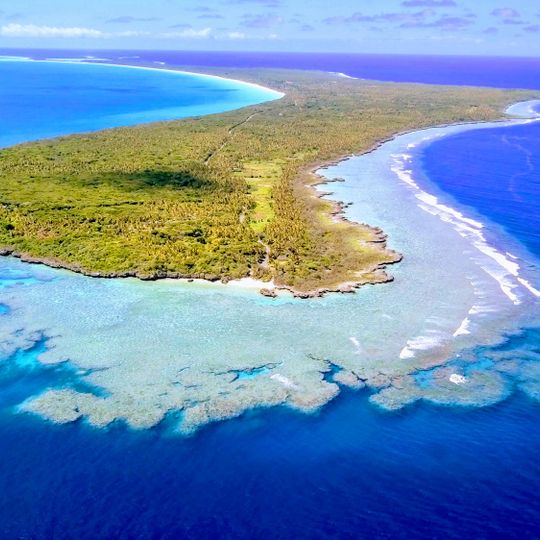
This geographic region stretches across numerous islands between New Guinea and Fiji, covering four independent nations and several territories. Landscapes range from volcanic formations and rainforests to coral reefs and coastal plains, spread across wide ocean expanses.
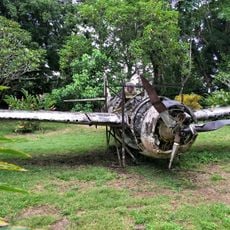
French explorer Jules Dumont d'Urville introduced the term in 1832, categorizing Pacific regions by geographic features. For thousands of years, independent cultures and seafaring communities had developed across these islands long before European exploration.
Local communities maintain centuries-old traditions in crafts, carving and dance that remain alive during festivals and ceremonies. These cultural practices shape everyday life and pass from one generation to the next, often accompanied by song and drumming.
Movement between islands relies mainly on sea connections and regional airlines linking different archipelagos. Travelers should expect longer crossings and weather dependency, as maritime conditions affect access.
Genetic research shows that populations here carry DNA from extinct Denisovan hominids, found in this concentration nowhere else. These genetic traces connect current inhabitants with a human species that lived tens of thousands of years ago.
The community of curious travelers
AroundUs brings together thousands of curated places, local tips, and hidden gems, enriched daily by 92,436 contributors worldwide.